
Reinforcing steel sizes are standardized diameters and masses for rebar used in concrete. In Canada, CSA metric bars (10M, 15M, 20M, etc.) are typical; U.S. projects often use ASTM numbers. For Woodbridge contractors, aligning size, grade, and coating with stamped drawings prevents shop errors and pour-day delays.
By Navjot Dass · Last updated: 2026-07-10
| In business since | 1986 |
|---|---|
| Approvals | MTO-approved supplier |
| Core products | Grade 400W & 500W rebar, epoxy-coated rebar, GFRP (GFRB), welded wire mesh (6″x6″x6/6, 9/9, 10/10) |
| End-to-end services | Estimating, detailing, fabrication, delivery, on-site assembly, project management |
| Delivery | Dedicated trucking fleet across GTA & Ontario |
| Hours | Mon–Fri, 7:00 a.m.–4:30 p.m. |
| Service area | GTA and projects across Ontario |
Woodbridge scheduling tip contractors actually use
Early pours go smoother if trucks stage near the Highway 50 corridor. We preload bundles the night before and time arrivals to clear the Highway 50 – Zum Queen Station Stop WB area before rush. For Brampton cores, pivoting around Queen St / Highway 50 avoids mid-morning gridlock and saves crews a wasted hour on site.
Overview
Rebar sizing isn’t academic—it decides weight, congestion, and crew speed. We see most Ontario sets built around CSA 10M, 15M, and 20M. Our job is to catch mismatches in bar marks, grades, and coatings during estimating and detailing so what lands on site installs cleanly and passes inspection the first time.
We stock common CSA sizes and fabricate per shop drawings. If something will slow you down—tight bend radii, congested cages, awkward lifts—we flag it before it hits your deck. See practical fundamentals in our steel rebar guide.
Canadian Reinforcing Steel Size Standards (CSA vs ASTM — What Contractors Need to Know)
CSA metric bars (10M, 15M, 20M) and ASTM numbers (#4, #5) both map to nominal diameters, but the units and bar marks differ. Decide the governing standard on day one, translate any cross-border details, and carry that standard through RFQs, bar lists, tags, and delivery tickets.
- One avoidable headache: We’ve seen bar lists in CSA but tags printed in ASTM. The fix? State CSA G30.18 on the RFQ and in your title block; we mirror it on tags and packing slips.
- Cross-walks: If a U.S. detailer sends #5 and your EOR expects 15M, we convert sizes before takeoff—no surprises at the cage table.
- Context read: For a broader look at metric sizing in building components, this Canadian framing sizes overview shows how units change decision-making.
10M, 15M, and 20M Rebar: Dimensions, Weight, and Common Applications
10M, 15M, and 20M do most of the heavy lifting in Ontario. Approximate diameters are 11.3 mm, 16.0 mm, and 19.5 mm with standard mass-per-meter values. In practice: 10M for slabs/temperature steel, 15M for walls and beams, 20M for columns, transfer slabs, and caps.
| CSA size | Nominal diameter (mm) | Mass (kg/m) | Typical uses |
|---|---|---|---|
| 10M | ≈ 11.3 | ≈ 0.785 | Slabs on grade, temperature/shrinkage, light footings |
| 15M | ≈ 16.0 | ≈ 1.570 | Shear walls, beams, columns in mid-rise work |
| 20M | ≈ 19.5 | ≈ 2.355 | Heavier columns, transfer slabs, pile caps |
- Estimator’s note: Upsizing a bar or tightening spacing snowballs tonnage and crane picks—flag early so logistics keep pace.
- Real-world miss: A Friday pour almost slipped when 20M caps arrived in the right shape but the wrong grade. Our checker caught it against the bar list, re-pulled tags, and turned the truck in time.
- Want field pointers on mid-rise work? Our 15M rebar guide focuses on walls, beams, and install speed.
Grade 400W vs Grade 500W: Choosing the Right Grade for Your Project
Our recommendation: for most mid-rise walls and columns we’re detailing across Vaughan and the GTA, 500W is the default. It reduces congestion and helps crews place and tie faster. 400W shows up mostly in legacy details or where specific ductility provisions drive the call—always follow the engineer’s stamp.
- Fewer bars, faster ties: 500W often lets you reduce bar count at equal capacity, easing congested nodes.
- Weldability: The “W” means weldable chemistry—coordinate procedures if welding is planned.
- Coordination move: Tell us your grade at RFQ. We stock 400W and 500W; if the drawing changes, we retag before it leaves the yard.
- Further reading on selecting bars: See our practical bars-for-concrete guide.
Specialty Reinforcing Options: Epoxy Coated Rebar and GFRB
Use epoxy-coated steel in chloride exposure (parking decks, bridge edges). Use GFRP where corrosion or electromagnetic constraints drive the spec. Both demand different handling and bend rules. Confirm these notes early so lead times and shop setups match your pour dates.
- Epoxy-coated: Great for deicing-salt exposure. Protect coating with padded slings and repair nicks per spec. For background on envelope corrosion thinking, this steel component sizing explainer frames why details matter.
- GFRP (GFRB): Non-corrosive and non-conductive. First-timers get caught by bend radii and lap rules—don’t assume steel rules apply.
- Seen it go sideways: A crew tried to match a steel bend schedule on GFRP stirrups. We re-detailed with correct radii the same day and kept the schedule intact.
How Rebar Size Affects Fabrication, Cutting, and Bending
Bigger bars mean bigger bend forces and minimum bend diameters, plus heavier lifts. 20M needs more shop capacity and different sequencing than 10M. Share critical tolerances up front; we’ll tag by pour break and bundle by elevation so your crew spends time installing—not sorting.
- Bend diameters scale with size: Steel vs GFRP also changes radii. We verify against your bend schedule before the first cut.
- Tolerance callouts: If a wall splice or hook dimension is critical, we run a pre-fab check and mark it on the traveler.
- Delivery sequencing: Bundles arrive labeled for zone and pour—your foreman grabs the right stack and goes.
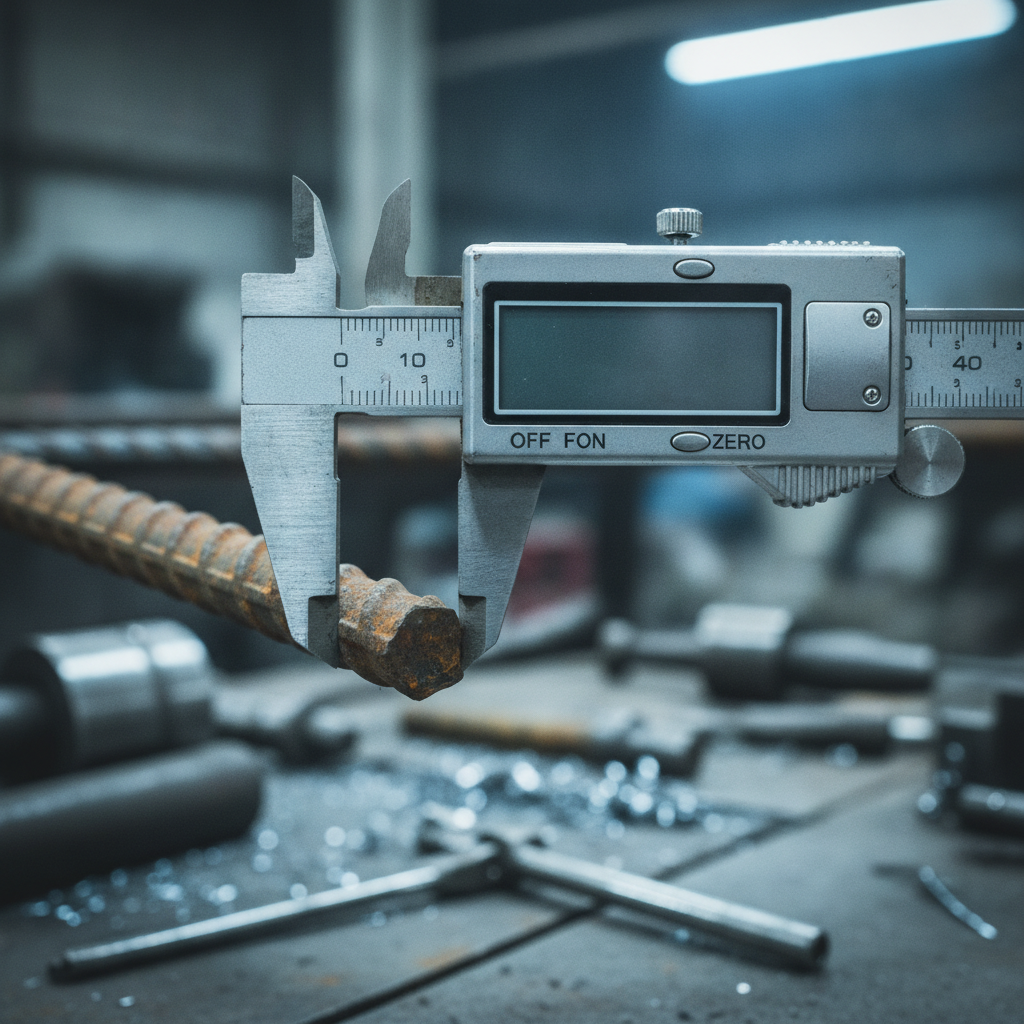
Want a second set of eyes before you order? Our in-house estimating and detailing teams line up bar marks, grades, and coatings, then coordinate fabrication and delivery to your pour calendar.
Ordering Reinforcing Steel: What to Specify So Nothing Gets Fabricated Wrong
A clean order calls out the standard, bar sizes, grade, spacing or marks, coating (black/epoxy) or GFRP, bends with radii, laps, and delivery sequence. Attach the stamped drawing set and bar list. Name your site receiver and RFI contact to keep decisions fast.
- Standard and grade: State CSA G30.18 and 400W or 500W; note welding procedures if any.
- Sizes and spacing: 10M/15M/20M with on-center spacing or counts per bar mark and zone.
- Coating/composite: Black, epoxy-coated, or GFRP; add handling and cover notes.
- Bends and laps: Hooks, stirrups, cages with radii; lap locations by gridline.
- Delivery plan: Sequence by pour break; include gate hours and crane pick limits.
- Paper trail: Drawings, bar list, and any RFIs attached to the PO.
Local considerations for Woodbridge
- Stage early trucks near the Highway 50 – Zum Queen Station Stop WB corridor to hit 7–8 a.m. offloads before congestion builds.
- Spring/fall swings? Plan covered storage and epoxy touch-up kits; we adjust fleet timing fast during freeze–thaw weeks.
- Large mats around Queen St / Highway 50? Ask for pre-tied cages and mesh sheets to compress install time.

FAQ
We’re often asked about CSA–ASTM translations, when to choose epoxy or GFRP, and what details prevent shop mistakes. These quick answers keep your submittals and site work aligned.
Are CSA 15M bars the same as ASTM #5?
They’re close in diameter but follow different standards and bar marks. Decide the governing standard with your engineer, then translate sizes on the bar list so tags and inspection match your drawings.
When should I specify epoxy-coated rebar on GTA jobs?
Use it anywhere deicing salts or splash accelerate corrosion—parking structures, exposed slabs, bridge edges. Protect coating during handling and repair nicks per spec to maintain performance.
Can I mix GFRP and steel in one element?
Only with engineer approval. GFRP has different stiffness, lap, and bend rules. If a drawing calls for steel, propose GFRP through an RFI with calculations and manufacturer data.
What prevents bar-mark mix-ups on delivery day?
Keep the standard consistent (CSA vs ASTM), align bar marks between drawings and lists, and tag bundles by pour break. We cross-check tags against the bar list before loading and include packing slips mapped to gridlines.
Key takeaways
- Pick your standard early and carry it through RFQs, bar lists, tags, and tickets.
- For mid-rise walls and columns, 500W is usually the right call—fewer bars, faster ties.
- Epoxy and GFRP solve corrosion/EMI issues but change handling and bend rules.
- Sequence and tag by pour break so your crew installs instead of sorting.
Need a quick review in Woodbridge? We can check reinforcing steel sizes, confirm grades and coatings, and align delivery with your pour schedule.