
Steel rebar fabrication is the controlled cutting and bending of reinforcing bars per approved shop drawings. It converts stock steel into labeled, ready‑to‑place pieces that match your pour sequence. In Woodbridge, a fabricator that also estimates, details, and runs its own trucks keeps crews moving and protects crane time.
By Navjot Dass • Last updated: July 12, 2026
| In business since | 1986 |
|---|---|
| Approval | MTO‑approved supplier |
| Core services | Rebar Supply, Fabrication, Estimating, Project Management, Detailing, Delivery, Assembly |
| Stocked products | Grade 500W & 400W, Epoxy‑coated options, Glass Fiber Reinforcing Bars (GFRB), Welded wire mesh (6″×6″ at 6/6, 9/9, 10/10) |
| Service area | GTA and Ontario |
| Logistics | Dedicated trucking fleet with staged, sequence‑based drops |
| Hours | Monday–Friday, 7:00 AM–4:30 PM |
| Selected projects | The Hawthorne Residences (Toronto), Hickory Terraces (Waterloo), The Grand at Universal City (Pickering) |
Overview
Rebar fabrication links engineering to field placement. Tight takeoffs, precise detailing, controlled bends, and sequenced delivery cut waste and protect crane time. Dass Rebar provides that entire chain in Woodbridge—estimating, detailing, fabrication, delivery, and assembly—so coordination gaps don’t derail your pour window.
We’ve been in Ontario reinforcement since 1986. The fastest way to burn a morning is a bundle arriving out of sequence while the crane is booked. Our team sequences, tags, and stages so your crew isn’t sorting steel at sunrise.
For foundation basics and procurement context, see our steel rebar basics and this reinforcing steel guide.
What Is Steel Rebar Fabrication (and Why the Definition Matters on a Job Site)
Steel rebar fabrication is the shop conversion of straight bars into coded, bend‑accurate pieces that match approved drawings and your placement sequence. Field crews move faster when bars fit the first time, RFIs are closed, and bundles are labeled to your pour breaks.
- Scope clarity: We translate design intent into shop drawings and bend schedules your crew can read at a glance.
- Traceability: Tagged bundles and heat records support inspections and compliance.
- Sequencing: Bundles land in the order you place them—less rehandling, fewer lifts.
Dig deeper with our Ontario fabrication guide and reinforcement supplies overview.
The Full Fabrication Process: From Shop Drawings to Bent Bar
Great outcomes follow a simple flow: quantify, detail, approve, fabricate, label, and stage for delivery. Quality checks at each handoff prevent bar‑list discrepancies, field bends that fight the inspector, and wasted crane time.
- In‑house estimating: Accurate takeoffs keep quantities and budgets aligned.
- Detailing & approvals: Shop drawings, bar lists, and RFIs are coordinated with your engineer and site team.
- Cutting & bending: We bend to spec with controlled fixtures and verify hook clearances.
- Labeling & bundling: Codes, tags, and pour break grouping reduce onsite sorting.
- Delivery & staging: Our fleet times drops to access windows and crane bookings.
- On‑site assembly (optional): Prefab cages and mats shift repetitive tying into the shop.
| Step | Owner | Output |
|---|---|---|
| Estimating | Dass Rebar | Quantified bar list |
| Detailing | Dass Rebar | Shop drawings, bend schedule |
| Fabrication | Shop floor | Cut/bent, labeled bars |
| Delivery | Dass Rebar fleet | Sequenced bundles onsite |
| Assembly | Dass Rebar field | Prefabricated cages/mats |
Most Ontario suppliers broker delivery. We run our own trucks, so we control the staging window—not a third‑party dispatcher.
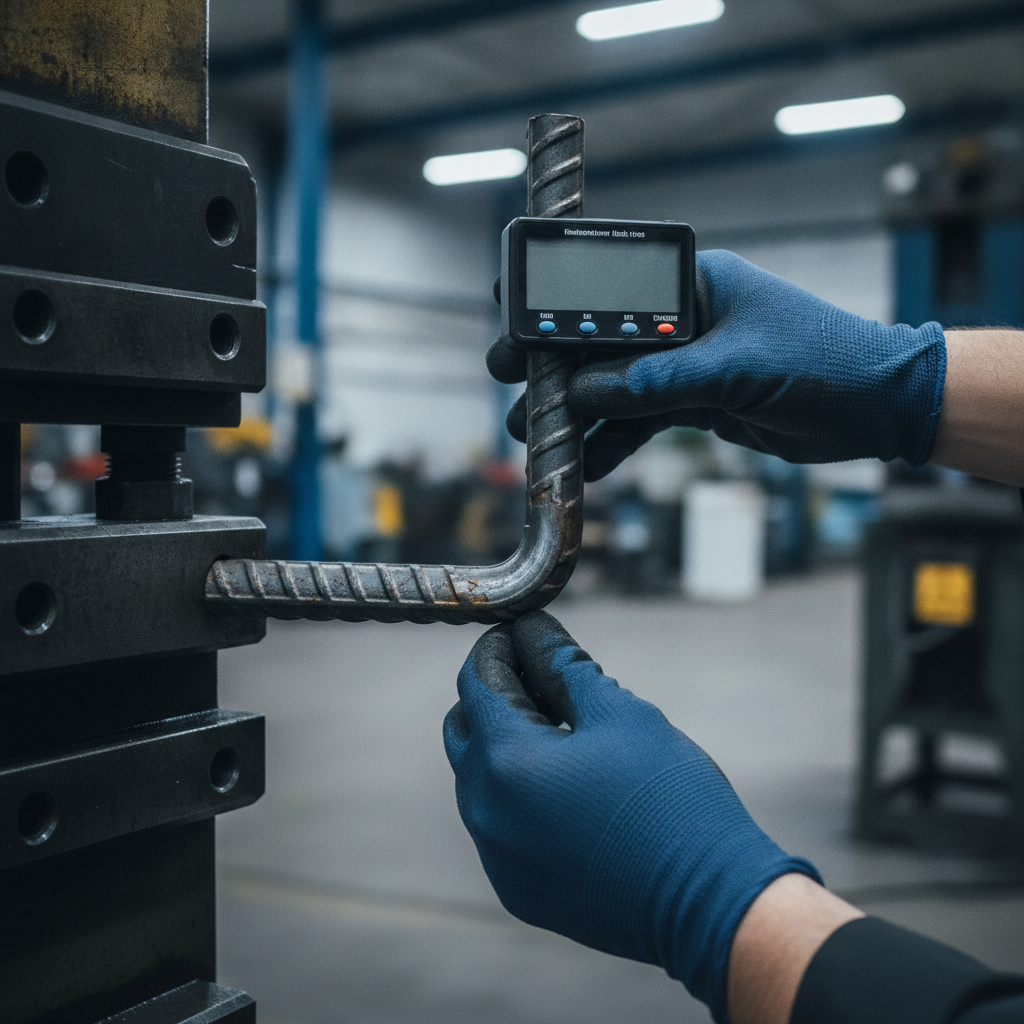
Grade Selection: 400W vs 500W vs Epoxy‑Coated vs GFRB — Choosing Right Before You Fabricate
Match grade to structural demand and exposure: 400W suits most slabs and walls, 500W serves higher loads, epoxy protects against de‑icing salts, and GFRB eliminates corrosion and conductivity. Decide before detailing—grade shifts change bar sizes, laps, and bend behavior.
| Option | Best for | Shop/field note |
|---|---|---|
| Grade 400W | Typical residential and many ICI elements | Our default on ~90% of mid‑rise foundations |
| Grade 500W | Higher loads, spacing reductions | Use when the engineer specifies the strength gain |
| Epoxy‑coated | Parking podiums, splash zones | Protects against de‑icing salts |
| GFRB | MRI rooms, transit/marine exposure | Non‑corrosive and non‑conductive |
Our take: for GTA mid‑rise foundations, 400W usually delivers the design without oversizing. We switch to 500W when the engineer calls for it to trim counts or spacing. Epoxy is a smart call for podium decks exposed to winter salts, and GFRB has solved durability concerns in specialty spaces like MRI suites.
Compare common choices in our steel reinforcement guide.
Standard Sizes and What to Expect on Lead Times (10M, 15M, 20M)
Standard 10M and 15M are routinely staged fast once drawings are approved. 20M is available on request—coordinate early for handling and crane access. Welded wire mesh in 6/6, 9/9, and 10/10 gauges speeds slabs and reduces tying.
- 10M & 15M: Common in slabs, beams, and walls; approval speed drives shop start.
- 20M (on request): Plan lifts and laydown; we’ll stage by elevation and pour break.
- Welded wire mesh: 6″×6″ at 6/6, 9/9, or 10/10—pick based on spacing and load requirements.
At The Grand at Universal City, we sequenced 15M wall steel in staged drops so the crane could fly cages without reshuffling. For use‑case notes, see our 10M rebar guide.
In‑House Estimating and Detailing: Why It Changes Your Schedule
One team owning takeoffs, shop drawings, RFIs, and bend lists compresses approval cycles and prevents field clashes. You get fabrication started sooner and deliveries aligned to real‑world access windows.
- Single source of truth: Estimators and detailers sit next to the shop—issues are solved before they reach the slab.
- Approvals without drag: Coordinated RFIs reduce waiting between design and fabrication.
- Fewer mid‑pour surprises: Clear drawings mean fewer emergency pulls.
For supplier fit in Woodbridge, review our local supplier overview and this selection checklist.
Need a coordinated start? Send your structural set. Our estimating and detailing teams will align takeoffs, RFIs, and trucking windows to your target pour dates.
Delivery and On‑Site Assembly: The Last Mile Most Fabricators Ignore
On‑time trucks and prefabricated assemblies protect crane time and crew productivity. With a dedicated fleet, we land labeled bundles by sequence and elevation—especially valuable on tight urban pours where laydown is scarce.
- Staged drops: Delivered by pour break to minimize rehandling.
- Access‑aware scheduling: We book around traffic peaks and crane slots.
- QC you can file: Tags and bundle records support inspections.
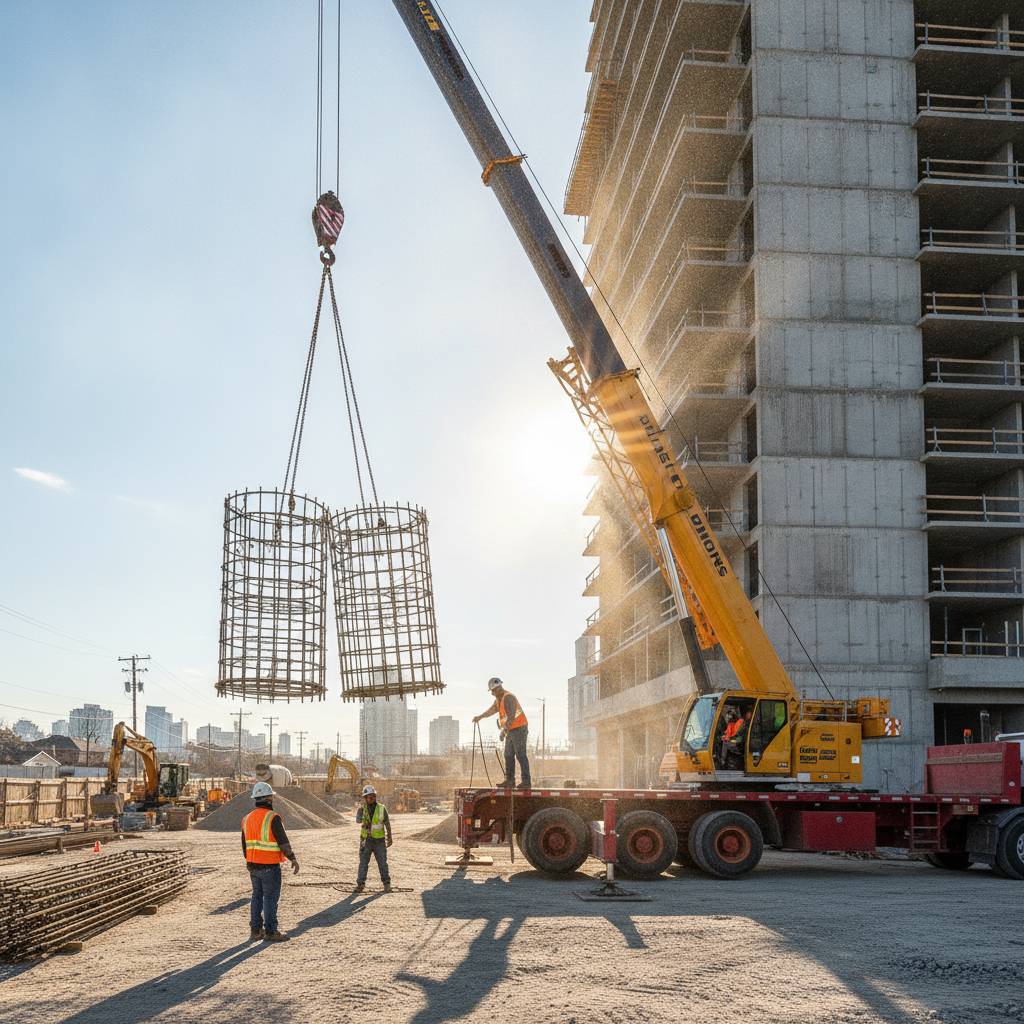
For structure coordination ideas beyond reinforcement, this steel stud framing guide and broader steel framing overview show how sequencing decisions upstream save time onsite.
How to Evaluate a Rebar Fabricator (Checklist for GCs and Concrete Contractors)
Choose fabricators that own estimating, detailing, fabrication, and trucking. Verify tagged bundles by sequence, in‑house RFIs, and optional on‑site assembly. Ask for recent Ontario project examples and who controls the delivery window.
- Scope control: Do they estimate and detail in‑house, or outsource?
- Delivery ownership: Brokered freight vs. in‑house fleet (we run our own trucks).
- Sequencing proof: Sample tags and bundle maps by pour/elevation.
- Assemblies: Can they prefab column cages, mats, and sonotube cages?
- Ontario track record: Ask for recent slab/wall examples and inspector sign‑offs.
Industry options you’ll see include Nucor Rebar (Rebar Fabrication & Installation), CMC Rebar, Camblin Steel, Men of Steel Rebar, and Bellis Steel. Compare them on who truly controls staging and RFIs. Our in‑house model was built to remove those gaps.
Local Tip: Working With a City‑Based Fabricator on Tight Urban Pours
City‑based fabricators with their own trucks stage just‑in‑time drops around access limits. In Woodbridge, that flexibility helps you protect crane windows and avoid congestion on morning pours near busy corridors.
Woodbridge delivery insight
We regularly time early drops near the Highway 50 – Zum Queen Station Stop WB and the Fogal Rd / Highway 50 corridor to beat traffic. That means your crew ties steel—not waits for trucks.
Local considerations for Woodbridge
- Book first‑window deliveries around Highway 50 to avoid congestion and protect crane slots.
- Winter approvals: add buffer for weather; we stage mesh and 15M in advance of cold snaps.
- Tight sites: ask for smaller, more frequent drops to cut stacking and rehandling.
Frequently Asked Questions
Here are concise answers to common fabrication questions from Woodbridge GCs—drawings to start, grade options, assemblies, and delivery timing. Each is designed for quick precon and weekly planning.
What drawings do you need to start fabrication?
Send structural drawings and any reinforcement notes, plus your latest RFI responses. We’ll complete takeoffs, produce shop drawings for approval, and begin cutting and bending after sign‑off.
Do you provide epoxy‑coated or GFRB bars?
Yes. We supply epoxy‑coated options for salt‑exposed areas and Glass Fiber Reinforcing Bars (GFRB) where corrosion resistance or non‑conductivity is required. Confirm the spec before detailing, since grades affect bar sizes and lap lengths.
Can you handle on‑site assembly of cages or mats?
We can prefabricate and assist with on‑site assembly. Prefab column cages, mats, and sonotube cages reduce repetitive tying and speed placement, especially on walls and columns with repeatable geometry.
Who controls the delivery window on your jobs?
We do. Our dedicated trucking fleet schedules drops by pour sequence and access window. We coordinate around local traffic patterns, crane bookings, and staging space to keep pours on time.
Social proof: 5‑star rating from Aldo Di Tacchio (Google). “Hi Aldo, thank you for your 5‑star review.” — Dass Rebar team response.
Key Takeaways
Lock grades early, insist on in‑house detailing, and demand sequenced, labeled bundles. Use prefabricated assemblies on repeatable elements and schedule trucks to pour breaks. That’s how Woodbridge crews protect crane time and keep schedules honest.
- Choose a single partner for takeoffs through delivery.
- Use 400W on typical mid‑rise foundations; reserve 500W for specified loads.
- Epoxy for salt exposure; GFRB for corrosion‑sensitive or non‑conductive zones.
- Sequence bundles by pour and elevation; stage drops to access windows.
- Leverage prefab cages and mats to cut tying time.