
Subcontractor coordination is the disciplined planning, communication, and sequencing of multiple specialty trades so work flows without clashes, rework, or idle time. For Ontario builders working with reinforcing steel, it aligns takeoffs, detailing, fabrication, delivery, and on-site assembly. Based in Woodbridge and serving the GTA and Ontario, Dass Rebar applies this framework to keep pours and schedules on track.
By Navjot Dass — Last updated: 2026-04-29
Above-Fold: Hook + Table of Contents
Use subcontractor coordination to eliminate schedule friction: lock scopes, sequence tasks, and share dates that trades can actually meet. The result is fewer stoppages, clean inspections, and predictable concrete days. This guide explains the playbook Dass Rebar uses with Ontario contractors to keep work moving.
Here’s the short version of why this matters and how to use it on your next slab, core, or deck cycle.
- Who this is for: GCs, concrete contractors, and developers running Ontario jobs with reinforcing steel and welded wire mesh.
- What you’ll get: A proven coordination workflow from estimating through assembly, plus checklists, tools, and real Ontario examples.
- Outcomes we target: Cleaner lookaheads, on-time deliveries, and pours that hit dates without last-minute scrambles.
- Overview
- What it is
- Why it matters
- How it works (step-by-step)
- Methods and approaches
- Best practices
- Tools and resources
- Case studies and examples
- FAQ
- Key takeaways + next steps
Overview
Effective coordination connects scopes, information, and dates. Lock drawings early, confirm fabrication windows, schedule trucking, and prepare the deck so crews can install without waiting. The right sequence reduces RFIs, rework, and inspection issues while protecting the pour date.
At Dass Rebar, coordination is a throughline running from material planning to site assembly. When we align estimating, detailing, fabrication, delivery, and installation with your lookahead, the deck is ready when the pump shows up.
What Is Subcontractor Coordination?
Subcontractor coordination is the structured process of aligning trades, drawings, materials, crews, and inspections so each activity starts on time without clashes. In reinforced concrete work, it connects takeoffs, shop drawings, fabrication, delivery slots, and on-site assembly.
Think of it as a simple contract between time and information. We define who does what, when, and with which drawings — then verify that materials and access will be there. On Ontario jobs, this includes confirming Grade 500W/400W bar, epoxy-coated options, GFRB, and welded wire mesh are detailed and fabricated to match pour sequences.
- Scope clarity: package responsibilities (e.g., embeds, couplers, mechanical sleeves) so nothing falls through the cracks.
- Information readiness: freeze the right drawings before fabrication, then distribute updates with version control.
- Logistics alignment: book windows with a dedicated trucking fleet and confirm crane/hoist availability.
This is where Dass Rebar’s in-house estimating and detailing reduce noise. Fewer handoffs mean fewer surprises when rebar hits the site.
Why Subcontractor Coordination Matters
Coordination protects critical path work. When trades share accurate dates and field conditions, crews avoid idle time, inspections clear faster, and concrete pours hold. For reinforcing steel, that means cleaner sequencing, less rework, and safer, code-aligned installs.
Here’s why it’s pivotal on Ontario projects we support:
- Schedule certainty: deck cycles live or die by rebar readiness. A one-day slip can cascade into pump rescheduling and finishing conflicts.
- Quality control: accurate shop drawings and bar lists cut site fixes and change fatigue.
- Safety: planned deliveries reduce congestion and lifting risks; planned layouts reduce trip hazards.
- Compliance: MTO-approved materials and processes are easier to document when the workflow is organized.
We’ve seen that a tight lookahead, combined with steady updates from the rebar team, pays back in fewer RFIs, fewer late-night emails, and more predictable pours.
How Subcontractor Coordination Works (Step-by-Step)
Start upstream and work downstream: confirm scope, freeze drawings, schedule fabrication, book delivery windows, and prep the deck. Close the loop with daily huddles and a two-week lookahead. This rhythm avoids last-minute scrambles and keeps the pour date intact.
Step 1 — Define scope and responsibilities (RACI)
- Clarify interfaces: Who sets sleeves? Who supplies chairs and spacers? Who installs couplers? Document it.
- Apply RACI: Responsible, Accountable, Consulted, Informed. One accountable owner per item prevents drift.
- Example: Dass Rebar supplies and fabricates Grade 500W bars; GC hoists bundles to deck; rebar crew assembles; QA/QC logs heat numbers and locations.
Step 2 — Lock information early
- Freeze what’s needed: structural details, connection types, bar marks, lap lengths, and mesh schedule.
- Coordinate change control: version-tag updates; confirm whether revised drawings affect already-fabricated bars.
- Action with Dass Rebar: use our in-house detailing to shorten review cycles and keep shop drawings aligned with pours.
Step 3 — Sequence fabrication to the pour plan
- Pull planning: start from pour date, count back for fabrication and delivery milestones.
- Batch intelligently: fabricate by deck zone or elevation so crews install in a clean flow.
- Tip: match welded wire mesh and bar bundles to the exact crane sequence to reduce double-handling.
Step 4 — Book the logistics
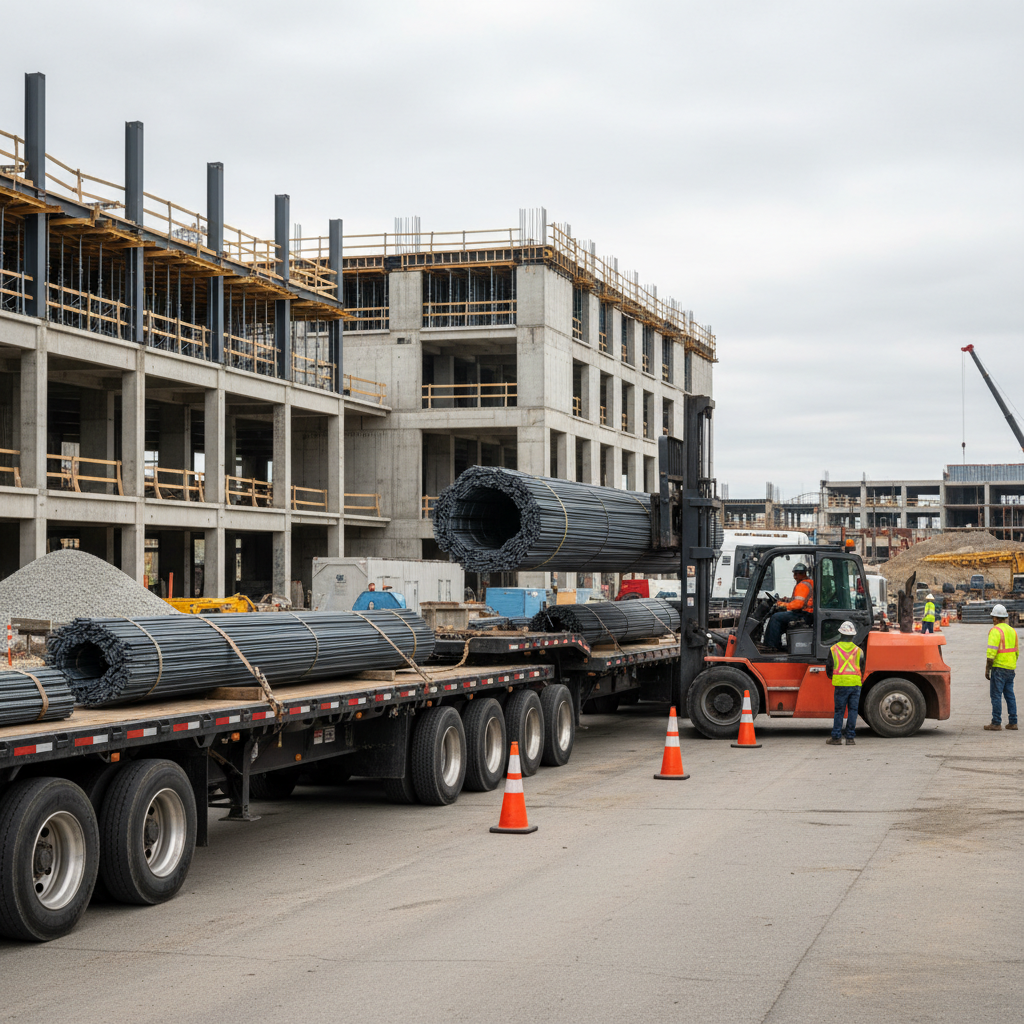
- Schedule trucking windows: align our dedicated fleet with site access, hoist times, and road restrictions.
- Coordinate laydown: confirm staging areas, tower crane picks, and traffic control.
- Internal resource: see our notes on timely rebar delivery for planning considerations.
Step 5 — Prepare the deck
- Field readiness check: forms complete, penetrations located, embeds ready, survey done, and safety measures in place.
- Inspection plan: pre-pour checklist, hold points, and required photos for records.
- Result: installers can tie and place without hunting for data or waiting on access.
Step 6 — Run the two-week lookahead + daily huddles
- Cadence: a rolling 10–14 day window with daily five-minute field huddles is enough for most decks.
- Measure and adjust: note blockers early (RFI answers, missing embeds), then re-sequence before it hurts the pour.
- Connect the dots: our project management team updates fabrication and delivery when your lookahead shifts.
Types, Methods, and Approaches
Use simple, field-ready methods: RACI for ownership, Last Planner for lookaheads, pull planning from the pour date, and visual boards to track readiness. Choose one primary method and stick to it so every trade understands the rules of the road.
We keep methods practical for reinforced concrete cycles. Below are approaches that translate well to slab, wall, and core work.
RACI for ownership clarity
- Use cases: interfaces like sleeves, embeds, couplers, and delivery responsibilities.
- Why it works: one accountable owner per task eliminates ambiguity.
- Action: publish a one-page RACI at project start; update only when scope changes.
Last Planner System and lookaheads
- Use cases: short-cycle planning for decks and pours.
- Why it works: crews commit to what they can reliably complete in the next 1–3 weeks.
- Action: hold weekly make-ready meetings; convert constraints into clear tasks before they delay work.
Pull planning from the pour
- Use cases: back-schedule from pour or inspection milestones.
- Why it works: keeps fabrication and delivery tied to the date that actually matters.
- Action: post the pour date; work backwards to lock detailing, fabrication, and trucking.
Visual management and readiness boards
- Use cases: show “Ready / Not Ready” by zone: drawings approved, bars fabricated, mesh on site, laydown staged.
- Why it works: the deck team can see blockers at a glance.
- Action: keep the board next to the daily huddle spot; update as deliveries arrive.
Quick comparison: when to use what
| Situation | Best-fit method | Primary benefit | What to watch |
|---|---|---|---|
| New project kickoff | RACI + pull plan | Clear ownership and dates | Over-assigning owners |
| Weekly deck cycles | Last Planner + huddles | Realistic weekly promises | Scope creep mid-cycle |
| Complex interfaces (MEP) | RACI + visual board | Instant blocker visibility | Keeping the board current |
Best Practices That Keep Pours on Date
Win the week before it starts. Publish a clean two-week lookahead, confirm which drawings are frozen, and book delivery windows against real access times. Keep daily field huddles short and specific. Measure percent plan complete and fix the root causes of misses.
In our experience coordinating reinforcing steel across Ontario, these habits separate smooth decks from fire drills:
- Freeze to fabricate: don’t cut steel from unconfirmed drawings. Use in-house detailing to lock details fast.
- Right-size deliveries: send what the crew can place in a day to reduce re-handling and clutter.
- Stage by zone: match bundle IDs to the crane sequence.
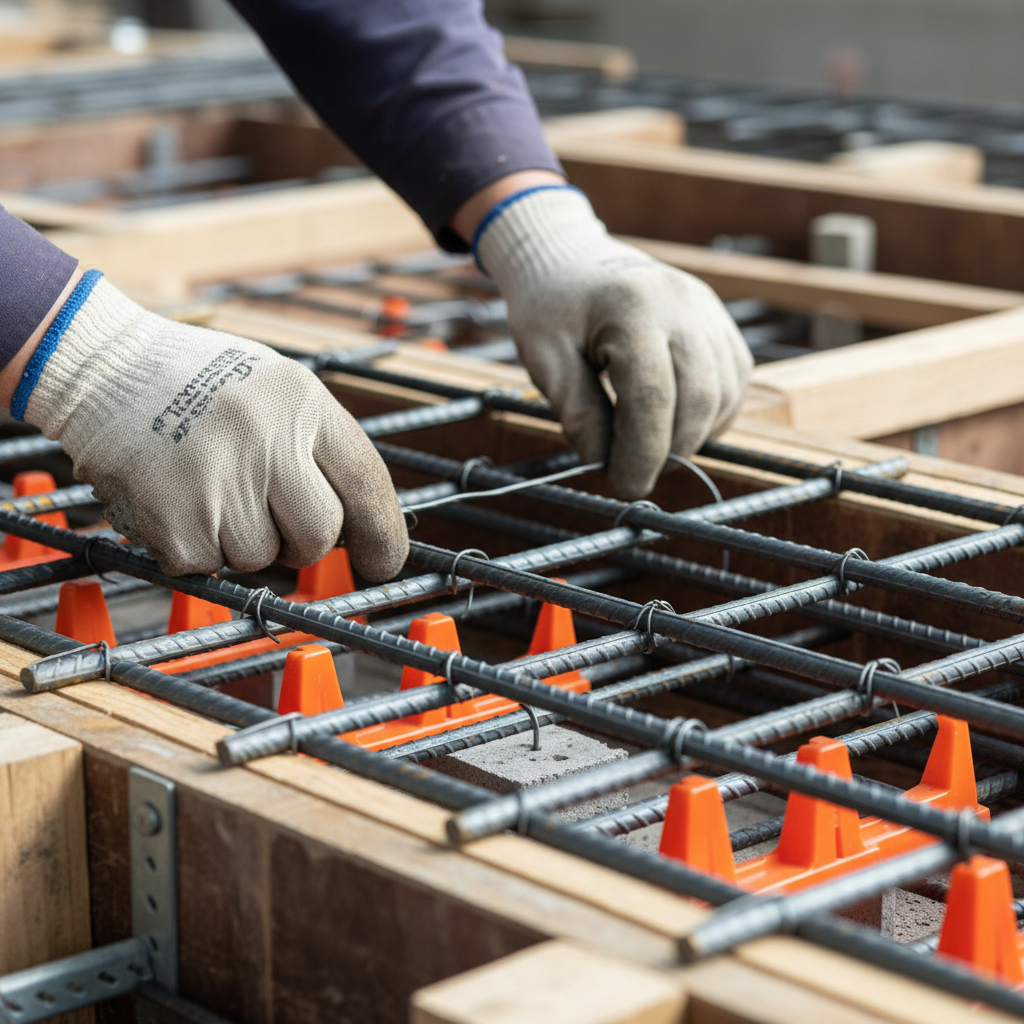
- QA before you tie: inspect chairs, spacers, cover, and bar supports as materials arrive.
- Short, daily huddles: five minutes to call blockers and assign owners.
- Protect inspections: set hold points and capture photos as part of the plan.
Need a deeper dive on material readiness? See our rebar supply overview and the note on MTO-approved compliance.
Tools and Resources (Concrete-Focused)
Keep tools light and field-ready: a two-week lookahead template, a readiness board, and a delivery log tied to bundle IDs. Pair those with concise RFIs and photo checklists. That’s enough structure to keep reinforcing work predictable without bogging crews down.
Planning templates
- Two-week lookahead: list activities, owners, constraints, and promised dates; post by the hoist or gang box.
- Readiness board: track “Drawings OK,” “Fabricated,” “Delivered,” “Staged,” and “Inspected” by zone.
- Delivery log: record truck times, bundle IDs, and laydown location to speed retrieval and crane picks.
Communication
- One-page RFI: include a marked-up detail, the specific question, and the pour it affects.
- Photo checklists: cover, lap positions, bar spacing, mesh laps, and coupler installation.
- Incident readiness: ensure active certificates and coverage; see this contractor insurance coverage context for documentation basics.
Execution aids
- Bundle labels and maps: align tags to drawings; keep a simple map at the hoist.
- On-site assembly checklist: verify chairs, spacers, and bar supports before tying.
- Inspection packet: preprint checklists with hold points and sign-offs for each deck.
Case Studies and Real-World Examples
The same playbook works across residential, commercial, and municipal jobs: lock drawings, fabricate to the pour plan, and run daily huddles. Below are condensed examples from Ontario projects showing how coordination prevents delays and protects safety and quality.
Residential high-rise deck cycle
- Context: typical slab-on-deck with 10M/15M bars and welded wire mesh zones.
- Action: Dass Rebar sequenced fabrication to match pour breaks; deliveries arrived pre-staged by zone.
- Result: installers tied without re-handling; inspection cleared on first pass.
Commercial podium with heavy MEP interfaces
- Context: couplers and sleeves near electrical rooms created congestion risk.
- Action: a simple RACI clarified who owned sleeves and embeds; daily huddles caught conflicts early.
- Result: fewer RFIs and a clean inspection window; pours held as scheduled.
Municipal/infrastructure element with compliance focus
- Context: MTO-approved requirements, epoxy-coated bar in splash zones, inspection documentation.
- Action: in-house detailing shortened approval cycles; deliveries tracked heat numbers and locations.
- Result: documentation aligned with oversight needs; work advanced without hold-ups.
Interface management with electrical trades
- Context: conduit congestion on a deck risked clashes with top mat steel.
- Action: shared a one-page sketch with elevations; coordinated install windows with the electrical team.
- Resource: for broad safety context, see this electrical contracting safety guide.
Code-aligned penetrations with plumbing trades
- Context: grouped penetrations needed accurate spacing to meet cover and code.
- Action: pre-marked sleeves and verified spacing with photos before tying the top mat.
- Note: for a general look at code practices in trades, this overview of code-compliant installations offers useful reminders.
Local considerations for Woodbridge and the GTA
- Traffic and access: coordinate delivery windows around peak hours common to the GTA; align our trucking fleet with crane time to reduce street congestion.
- Seasonal timing: winter weather and freeze-thaw cycles affect pour readiness; sequence epoxy-coated or GFRB materials deliberately for exposed elements.
- Inspection rhythm: book municipal inspections early and bundle hold points; this keeps concrete dates firm even on busy corridors.
Need a coordination tune-up? Our in-house estimating, detailing, fabrication, delivery, and on-site assembly teams work as one unit. Share your lookahead, and we’ll align reinforcing steel to your pour plan.
Start by reviewing our foundation detailing guide and 10M rebar use cases for quick wins.
Frequently Asked Questions
Great coordination answers who, what, when, and with which drawings. The rest is disciplined follow-up. These quick answers address the common questions we hear from Ontario GC and concrete teams.
What is the fastest way to improve subcontractor coordination?
Publish a two-week lookahead with named owners, freeze the drawings tied to next week’s work, and lock delivery windows against real site access. Then hold a five-minute daily huddle to clear blockers. This simple cadence reduces misses and protects pour dates.
How do you avoid clashes between rebar and MEP trades?
Use a one-page sketch with elevations, apply a RACI to sleeves and embeds, and schedule MEP windows before tying the top mat. Photograph penetrations and cover as proof for inspections. When drawings change, confirm whether affected bars were already fabricated.
What documents should be ready before fabrication?
Confirm structural details, bar marks, lap lengths, mesh schedule, and any epoxy-coated or GFRB requirements. Freeze these drawings, issue a clear revision index, and circulate to all trades. Tie bundle IDs to the drawings so deliveries map cleanly to the deck.
How often should field teams meet?
Daily five-minute huddles are enough for most decks, backed by a weekly make-ready meeting. Use the huddle to flag blockers and assign owners. Use the weekly to convert constraints into tasks and update the two-week lookahead accordingly.
Where can I learn more about reinforcing materials and delivery timing?
Review our Ontario-focused notes on reinforcing steel planning and see how timely delivery supports clean deck cycles. If you work on infrastructure, also verify MTO-approved requirements.
Conclusion: Key Takeaways and Next Steps
Subcontractor coordination is a simple rhythm: freeze drawings, fabricate to the pour plan, book deliveries, and run short huddles. When ownership is clear and dates are real, decks stay clean and pours hold. Start small, standardize the cadence, and build from there.
- Key takeaways
- Lock scope and drawings before you cut steel; tie bundles to zones.
- Use a two-week lookahead with daily huddles to clear blockers.
- Right-size deliveries and stage by crane sequence.
- Protect inspections with photos and hold points baked into the plan.
Next steps:
- Share your lookahead; we’ll align fabrication and material supply to it.
- Review MTO-approved workflows for infrastructure-grade needs.
- Book a coordination check-in with our project management team.
Ready to streamline reinforcing steel on your next Ontario project? Let’s align your pour plan with estimating, detailing, fabrication, delivery, and on-site assembly — end to end.