
Rebar fabrication companies turn structural drawings into labeled, cut-and-bent reinforcing steel delivered in pour-ready bundles. At 370 New Enterprise Way in Woodbridge, Dass Rebar coordinates estimating, detailing, fabrication, trucking, and on-site assembly so Ontario crews place faster and pour on schedule.
By Navjot Dass Last updated: 2026-05-29
Above-Fold Section: Hook + Table of Contents
Choose a rebar partner by looking beyond price to precision, speed, and compliance. The right fabricator streamlines takeoffs, detailing, cutting, bending, labeling, and delivery sequencing so your crew places steel faster and pours concrete on the day you planned.
Heres what youll find in this complete, practical guide designed for Ontario superintendents, estimators, and PMs:
- What rebar fabrication is, and where the work splits between engineer, detailer, and shop
- Why integrated services reduce site risk and idle time
- How the step-by-step shop workflow really runsfrom takeoff to truck gate
- Material options (400W/500W, epoxy, GFRB, welded wire mesh) and when to use each
- Best practices for submittals, labeling, and pour-break sequencing
- Tools and standards that keep quality consistent across jobs
- Ontario examples and mini case studies you can benchmark against
Use the table of contents to jump to what you need now:
- What Is Rebar Fabrication?
- Why It Matters in Woodbridge & York Region
- How Rebar Fabrication Works
- Types, Materials, and Methods
- Best Practices
- Tools, Standards, and Resources
- How to Evaluate Rebar Fabrication Companies
- Case Studies & Ontario Examples
- Frequently Asked Questions
- Conclusion & Key Takeaways
What Is Rebar Fabrication?
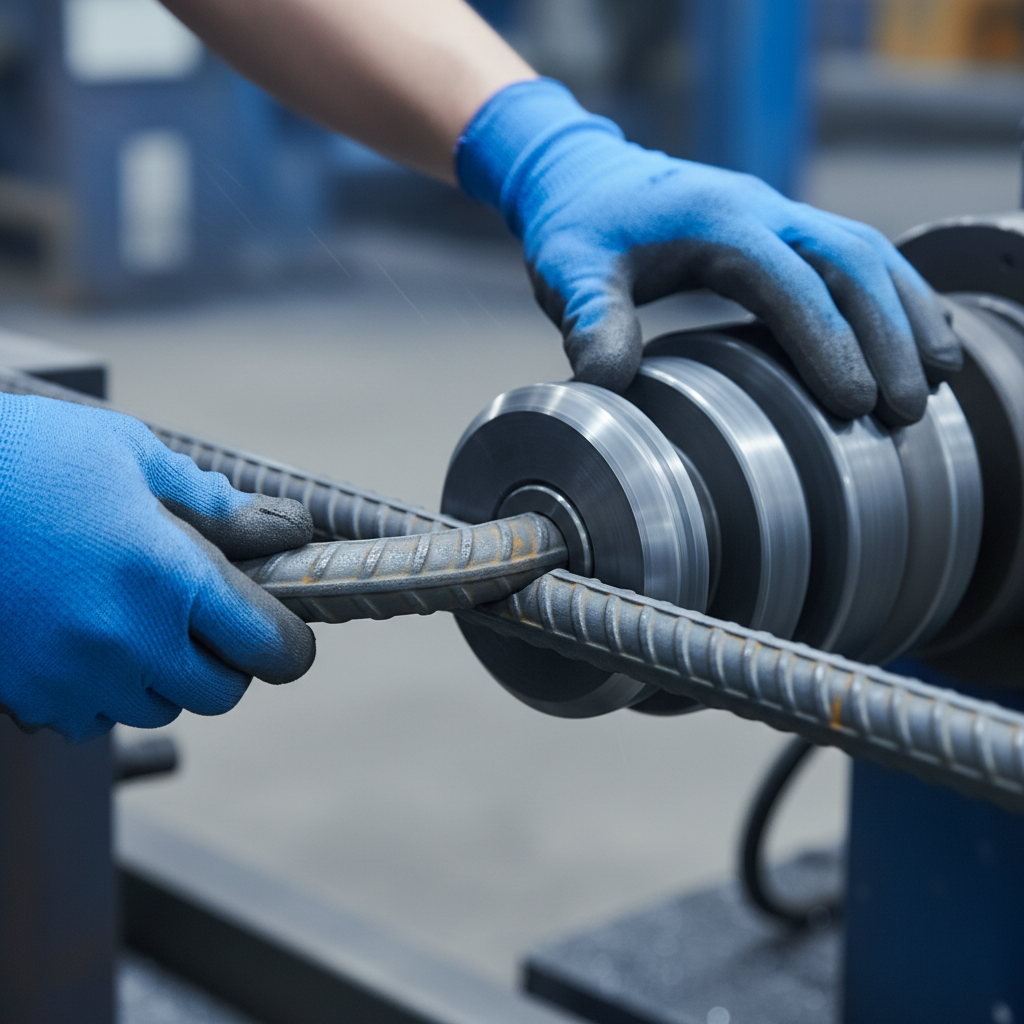
Rebar fabrication is the conversion of structural drawings into cut, bent, tagged, and bundled reinforcing steel ready for placement. It spans takeoffs, shop drawings, cutting, bending, quality checks, labeling, loading, delivery sequencing, and often on-site assembly for cages, mats, and walls.
In plain terms, its how you get from an engineers intent to bars your crew can place without guesswork. When a fabricator handles estimating, detailing, fabrication, and delivery under one roof, the handoffs align and errors drop.
- Scope boundary: Engineer designs; detailer prepares shop drawings; fabricator cuts/bends; site crew ties and places.
- Common outputs: Bar lists, bend schedules, tagged bundles, delivery tickets, heat certificates, and inspection reports.
- Typical volumes: A mid-rise slab might run 800 tons of bar across 4 truckloads with welded wire mesh for control areas.
At Dass Rebar, those steps are integrated: in-house estimating and detailing produce accurate bar lists; fabrication and labeling organize pours; the dedicated fleet hits booked windows across Ontario so concrete crews keep moving.
For deeper fundamentals, our steel rebar basics guide explains sizes like 10m, 15m, and 20m and how bar marks map to drawings.
Why Rebar Fabrication Matters in Woodbridge and the Regional Municipality of York
Reliable fabrication keeps Woodbridge and York Region projects on schedule. Coordinated takeoffs, accurate shop drawings, MTO-compliant materials, and punctual trucks reduce rework, prevent pour-day delays, and support consistent concrete quality across residential, commercial, and infrastructure builds.
Local coordination amplifies results. Crews gain time when bundles arrive by pour break, tags match shop drawings, and epoxy-coated or GFRB product is staged separately. A missed truck slot can cascade into crane reassignments and finishing overtime.
- Schedule stability: Sequenced deliveries align with form cycles and crane picks, which can save hours on mat pours.
- Compliance confidence: MTO-approved supply and verifiable mill certs avoid re-inspection and tear-outs.
- Labor productivity: Clear tags and bend marks reduce field measuring; two ironworkers can place an extra 1 bundles per shift when bundles are staged right.
In our experience supporting Ontario towers and municipal sites, on-time fabrication is the fastest way to protect slab dates. Even a single mis-tagged crate can stall a wall pour while crews search for missing HAs or ties.
Local considerations for Woodbridge
- Plan truck arrivals off peak near Queen St / Highway 50 to minimize offload delays and keep cranes focused on picks.
- Stage epoxy-coated bundles indoors during winter; cold snaps make coatings brittle and slow tying productivity.
- Coordinate inspection windows early; municipal checks and rebar cover measurements can push pours if not sequenced with the crew.
You can also browse our internal Ontario rebar summaries via tags like Ontario rebar topics for project planning ideas.
How Rebar Fabrication Works (Step-by-Step)
The fabrication workflow moves from takeoff to detailing, then cutting, bending, tagging, bundling, loading, and sequenced delivery. Each step outputs bar lists, bend data, labels, and tickets that keep site placement fast and error-free.
Heres a practical, field-proven sequence that maps cleanly to your next pour:
- In-house estimating: Quantify bars, mesh, and accessories from IFC drawings; flag design conflicts early.
- Shop drawings (detailing): Produce bar lists and bend schedules; confirm cover, laps, and bar marks with the engineer.
- Fabrication: Cut and bend on shearlines and CNC benders; verify radii and lengths with calibrated gauges.
- Quality and tagging: Apply durable tags with bar marks, sizes, and destination (e.g., S2 Mat, Elevation 12).
- Bundling and loading: Bundle by pour break; protect epoxy-coated bars and segregate GFRB from steel.
- Delivery sequencing: Dispatch by time slot; stage offloads by crane pick map to prevent double handling.
- On-site assembly (optional): Pre-build cages, columns, and walls to compress critical path items.
| Step | Primary Output | Field Benefit |
|---|---|---|
| Estimating | Takeoff + RFIs | Early clash detection |
| Detailing | Bar list + bends | Clear, placeable marks |
| Cutting/Bending | Spec-verified bars | Fit-first placement |
| QA/Tagging | Durable labels | Faster sorting |
| Bundling/Loading | Pour-ready packs | Minimal rehandles |
| Delivery | Sequenced drops | On-time pours |
For an end-to-end walkthrough tailored to Ontario specs, see our rebar fabrication guide.
Types, Materials, and Methods
Ontario projects typically use Grade 400W and 500W carbon steel rebar, welded wire mesh (6×6 at 6/6, 9/9, 10/10), epoxy-coated bars for chloride exposure, and Glass Fibre Reinforcing Bars (GFRB) where non-corrosive reinforcement is specified. CNC bending and prefabricated cages speed placement.
Match materials to exposure, structural demand, and owner expectations. Use mesh for slabs-on-grade control, epoxy near de-icers, and GFRB for non-conductive or corrosion-critical elements. Detail laps, hooks, and bends to standard radii and verify field cover.
| Material | Best Use Case | Notes |
|---|---|---|
| Grade 400W steel | General slabs, walls, footings | Workhorse option; reliable ductility |
| Grade 500W steel | High-demand mats, cores | Higher strength; verify lap lengths |
| Epoxy-coated steel | Parking decks, bridges | Protect coating during handling |
| GFRB | Corrosion-sensitive or non-conductive zones | Different tie/wedge practices than steel |
| Welded wire mesh | Slabs-on-grade, toppings | Specify 6×6 at 6/6, 9/9, or 10/10 |
- Diameter planning: 10m, 15m, and 20m rebar are common; plan splice zones to avoid congestion at columns and shear walls.
- Prefabricated assemblies: Spiral cages, prefabricated walls, and mats compress install durations and reduce crane hours.
- Labeling conventions: Include elevation, gridline, and pour break on tags; color-code epoxy packs for quick ID.
Need help selecting materials for an upcoming deck or core wall? Our rebar supply guide walks through grades, coatings, mesh gauges, and delivery lead times.
Best Practices for Working With Your Fabricator
Set expectations early: submit clean IFCs, confirm cover and laps, lock labeling and pour sequencing, and hold a pre-pour meeting. These basics cut rework, protect finish dates, and keep labor focused on placement, not hunting for parts.
Heres a concise playbook thats saved Ontario teams days on critical paths:
- Kickoff alignment: Share milestones by slab; agree on truck windows and laydown zones.
- Drawing hygiene: Cloud revisions, resolve RFIs fast, and avoid last-minute bar size swaps that ripple through bends.
- Tagging standard: Use consistent abbreviations; include bar mark, size, location, and pour break.
- Site staging: Stage epoxy indoors; keep GFRB segregated; map bundles to crane picks.
- Inspection rhythm: Pre-book inspector windows and document cover with photo logs.
- Feedback loop: Capture miss-picks and mis-tags on a simple punch list; close items before next pour.
Weve summarized common pitfalls and fixes in our rebar detailing guide, which pairs shop drawing clarity with field-friendly tags.
Tools, Standards, and Resources
Use proven standards and digital tools to keep quality consistent. Bar grades and fabrication tolerances follow recognized codes; 3D detailing, barcoding, and delivery tracking improve accuracy and accountability from shop to slab.
What most people dont realize is how much small process tools matter. A barcoding pass can surface a mislabeled bend before it ever hits the hoist. Delivery tracking tightens crane planning, especially on downtown cores with tight curb lanes.
- Standards: Align detailing and fabrication to widely recognized structural concrete codes and material specs used across Ontario projects.
- Digital workflows: 3D rebar models coordinate congested cores; barcode scans track bundles through the gate; driver apps time-stamp drops.
- Documentation: Keep mill certs, epoxy batch data, and inspection logs with delivery tickets for quick audits.
For background on how MTO-compliant practice supports reliability, explore our overview of MTO-approved reinforcing steel.
How to Evaluate Rebar Fabrication Companies
Evaluate rebar fabrication companies on four pillars: accuracy (estimating/detailing), capacity (shop throughput), logistics (fleet and sequencing), and compliance (MTO approval and documentation). Ask for recent schedules, shop photos, and delivery records to verify performance.
Heres a 12-point checklist you can run before you award:
- MTO approval and infrastructure-grade track record for municipal or bridge work.
- In-house estimating with sample takeoffs that include assumptions and flagged risks.
- In-house detailing with recent shop drawings, bend schedules, and RFI logs.
- Shop capacity: shearlines, CNC benders, spiral cage capability, and staffed shifts.
- QA program: calibration logs, bend radius checks, tag durability tests.
- Delivery fleet: dedicated trucks, dispatch planning, and proof of sequenced drops.
- Assembly options: on-site cage/wall prefabs with examples.
- Documentation: mill certs, epoxy batch records, and digital delivery tickets.
- Change agility: documented process for late design shifts without derailing schedules.
- Safety: load securement practices and site PPE policies.
- References: current projects with superintendent contacts.
- Local familiarity: knowledge of Woodbridge and GTA delivery realities.
If you want a quick benchmark, our reinforcing steel overview includes a sample submittal list and delivery map format used on Ontario sites.
Case Studies and Ontario Examples
Ontario projects benefit when estimating, detailing, fabrication, and delivery operate as one system. The examples below show how coordinated steps protect concrete dates, limit rework, and keep field labor productive.
Residential tower mat (Toronto): A 120-ton mat pour needed 6 sequenced trucks, 500W in congested zones, and epoxy near ramps. Integrated detailing flagged lap conflicts, and sequenced drops kept the pump fed without double handling.
Mid-rise walls and cores (Waterloo): Prebuilt cages trimmed hoist time per lift. Tags included elevation and grid to speed placements; inspectors cleared cover in one pass.
Mixed-use podium (Pickering): Welded wire mesh (6×6 at 9/9) accelerated slab cycles. A barcode scan caught a mislabeled bend pre-hoist, avoiding a search delay on the deck.
These patterns map to our day-to-day: in-house estimating and detailing, precise cutting/bending, trucked deliveries, and on-site assembly when it compresses the path. For a practical primer on materials, see our reinforcing steel supply guide.
Overview: What This Guide Helps You Do
Use this guide to align drawings, shop, and site so you place steel once and pour on time. Youll find clear steps, checklists, and Ontario-specific tips you can apply on your next slab, wall, or mat.
- Map a clean workflow from estimating to on-site assembly.
- Pick the right material mix among 400W/500W, epoxy, GFRB, and welded wire mesh.
- Standardize labeling and pour-break sequencing to speed placement.
- Benchmark vendor capacity, QA, and fleet readiness before award.
Need help on an upcoming pour?
Send your IFC set for a fast takeoff and shop drawing review. Well flag risks, propose sequencing, and plan deliveries that fit your crane and pour windows.
Dass Rebar is an MTO-approved, Ontario-focused partner offering in-house estimating, detailing, fabrication, delivery, and on-site assembly from our Woodbridge location. Explore more on our Ontario rebar supplier page.

Key Specs, Submittals, and Checklists
Tighten controls with clear specs, complete submittals, and short checklists. Youll cut field questions, speed inspections, and protect pour dates while keeping rework near zero.
- Specs to confirm: bar grades (400W/500W), coatings (epoxy), acceptable substitutions (GFRB), lap lengths, and cover.
- Submittal package: shop drawings, bar lists, bend schedules, mill certs, epoxy batch sheets, and sample tags.
- Pours checklist:
- Bundles staged by crane pick map
- Tags legible and weatherproof
- Inspector window booked and confirmed
- Splice and cover verified against drawings
We maintain these controls across residential, commercial, and infrastructure projects throughout Ontario, coordinating with GCs, concrete subs, and inspectors to keep work moving.
Trends to Watch in 2026
In 2026, expect more prefabricated assemblies, barcode-driven tracking, and wider use of corrosion-resistant reinforcement in chloride zones. Teams that standardize labels and delivery sequencing will see the fastest slab cycles.
- Prefab momentum: Column/wall kits and spiral cages reduce hoist time and lift counts.
- Digital traceability: Bundle scans map directly to pour breaks and punch lists.
- Material shifts: Growing preference for epoxy or GFRB where de-icers and splash are factors.
For regional context, browse project highlights and updates filed under fabricated rebar on our site.
Frequently Asked Questions
These quick answers address common planning and coordination questions so your team can focus on placing steel and hitting pour dates.
What documents should I send to start a takeoff?
Send IFC drawings, structural notes, and any addenda. If you have a target pour sequence, share that as well. Well return a quantified takeoff, initial shop drawings, and flagged risks for your review.
When should I choose epoxy-coated bar versus GFRB?
Use epoxy-coated steel where chloride exposure is expected (parking decks, ramps). Choose GFRB when non-conductive, corrosion-immune reinforcement is required by spec. We can help evaluate exposure, cover, and owner preferences.
How do you sequence deliveries for a mat pour?
We bundle by pour break and crane pick map. Trucks are booked to time slots that match your hoist plan. Tags include elevation and gridline so crews sort quickly and keep the pump fed without re-handles.
Do you provide on-site cage or wall assembly?
Yes. For schedules that benefit, our team prebuilds cages and wall panels so you lift, set, and tie faster. Well propose prefab only when it shortens your critical path.
Conclusion & Key Takeaways
A dependable fabricator keeps your job moving: accurate takeoffs, clear shop drawings, precise cuts and bends, durable tags, sequenced trucks, and prefab where it saves time. Standardize these elements and your pours will hold.
- Pick for process, not price alone: accuracy, capacity, logistics, compliance.
- Lock labels and sequencing so crews place once and move on.
- Use the right mix of 400W/500W, epoxy, GFRB, and welded mesh.
- Consider prefab to compress lifts and cycles.
Ready to align drawings, shop, and site? Share your IFC set and pour dates. From our Woodbridge base at 370 New Enterprise Way, we support projects across Ontario with estimating, detailing, fabrication, delivery, and assembly.