
Steel bars for concrete are ribbed reinforcing elements that add tensile strength to slabs, walls, and foundations. They work by bonding to concrete and resisting cracking under load. From our yard at 370 New Enterprise Way in Woodbridge, Dass Rebar supplies, fabricates, delivers, and assembles reinforcement so Ontario projects stay compliant and on schedule.
By Dass Rebar • Last updated: 2026-06-19
Overview and Table of Contents
This complete guide explains how to choose, specify, and use reinforcing steel and mesh for concrete. You’ll learn grades, sizes (10M, 15M, 20M), coatings, GFRP options, detailing, fabrication, delivery, and assembly workflows—plus local logistics for Woodbridge and the Regional Municipality of York.
In this guide, we combine field experience and Ontario-friendly specs so your crew can move from drawings to pour with fewer surprises.
- What steel reinforcement is and how it works in concrete
- When to select Grade 400W vs 500W, epoxy-coated, or GFRP
- How to read bar schedules and convert 10M/15M/20M to practical decisions
- Detailing, fabrication, delivery, and safe on-site assembly steps
- Best practices that cut waste and rework across GTA job sites
What Are Steel Bars for Concrete?
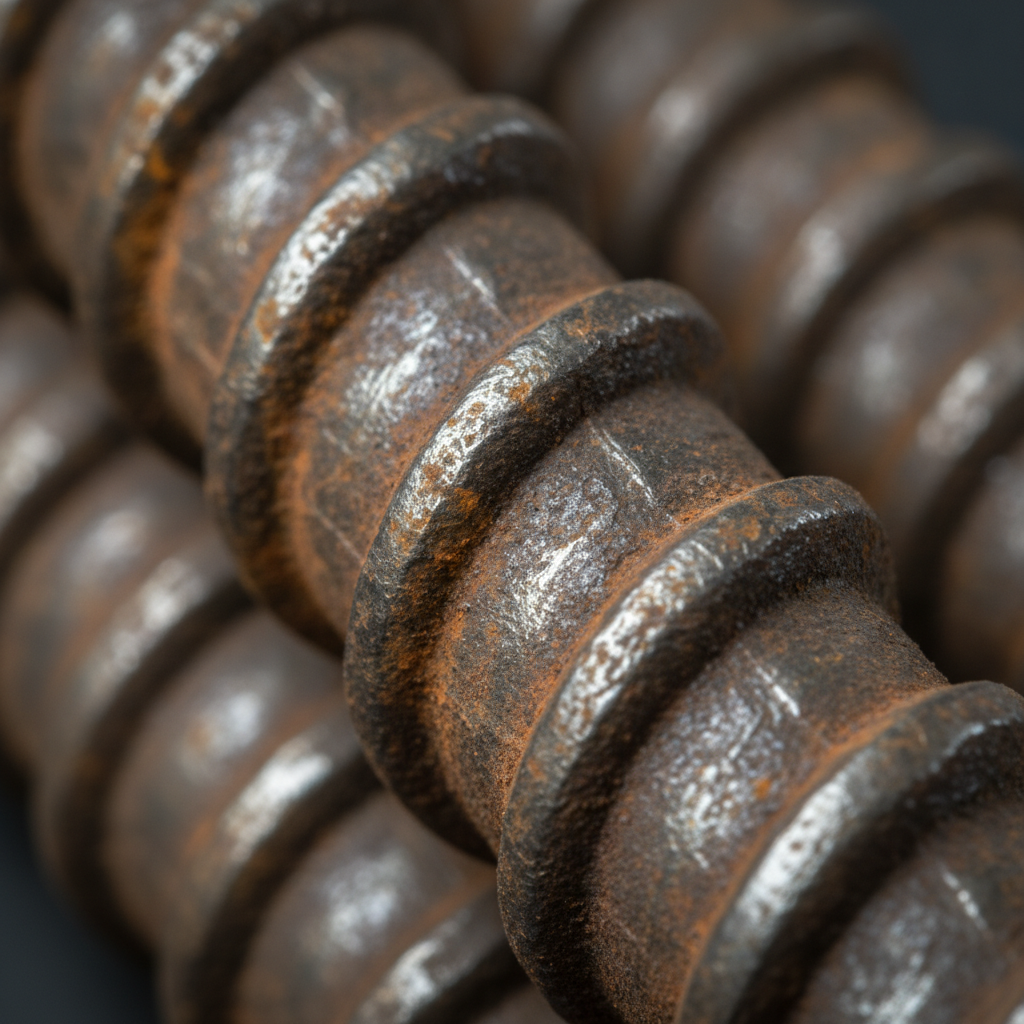
Steel bars for concrete—commonly called rebar—are deformed steel rods embedded in concrete to add tensile and shear strength. Typical Canadian grades include 400W (≈400 MPa yield) and 500W (≈500 MPa). Deformations provide mechanical bond so loads transfer from concrete to steel without slip.
Rebar turns concrete’s compressive strength into a balanced system that resists bending, cracking, and impact. In Canada’s M-size designation, common diameters include 10M (≈11.3 mm), 15M (≈16 mm), and 20M (≈19.5 mm). These sizes map directly to typical residential and commercial details.
- Why it matters: Concrete alone is weak in tension; steel carries those tensile forces so slabs, walls, and beams perform under service and ultimate loads.
- Where it’s used: Footings, foundation walls, slabs-on-grade, suspended slabs, columns, beams, cores, and shear walls.
- How we help: Dass Rebar provides in-house estimating, shop drawings, fabrication, delivery, and on-site assembly so you get a single point of accountability.
For a deeper primer on terminology and conventions, see our internal overview on steel rebar basics.
Why Reinforcement Matters in Concrete Construction
Rebar controls cracking, boosts load capacity, and improves durability—which reduces life-cycle risk. The right grade and detailing minimize deflection and shrinkage cracks, guard against corrosion, and keep structures serviceable across decades of freeze–thaw cycles.
Concrete gains compressive strength quickly, but tensile behavior governs cracks early. Proper bar spacing, cover, and grade selection limit crack widths so water and chlorides can’t reach steel as easily. In cold climates, adequate cover and protective coatings slow corrosion and extend service life.
- Serviceability: Tighter spacing and higher yield steel can reduce crack widths and deflection under service loads.
- Durability: Increased concrete cover and epoxy-coated bars help mitigate corrosion near deicing salts or splash zones.
- Safety margin: 500W’s ≈500 MPa yield strength provides higher capacity than 400W, allowing designs with fewer bars in some cases (engineer-of-record decides).
- Constructability: Clear, clash-free shop drawings speed placement and reduce field fixes that can delay concrete trucks.
For Ontario builders, our Ontario-focused rebar guide covers typical exposure classes and site realities that shape reinforcing choices.
How Rebar Works Inside Concrete
Rebar resists tension while concrete resists compression. Deformations on bar surfaces improve bond so strain transfers between materials. Adequate development length, laps, and hooks ensure bars reach yield without slipping in the concrete matrix.
Here’s the simple mechanics: when a beam or slab bends, the bottom fibers go into tension. Deformed bars in that zone carry tensile forces; compression at the top is handled by concrete. Proper embedment (development) and anchorage via hooks or mechanical couplers help bars achieve yield strength safely.
- Bond and development: Longer embedment increases bond area so bars can develop full strength before pullout.
- Spacing and cover: Minimum spacing limits congestion; cover protects steel from moisture and thermal cycles.
- Bar marks: 10M, 15M, 20M denote nominal diameters; bending radii and lap lengths scale with size and grade (follow project specifications).
We detail shop drawings to respect clearances, bends, and lap logic. Explore our supplier best-practices for coordination insights.
Types of Rebar, Mesh, and When to Use Each
Choose among Grade 400W/500W carbon steel, epoxy-coated bars for corrosion resistance, GFRP (glass fiber) for non-corroding needs, and welded wire mesh for slabs. Match the product to environment, loads, and constructability to reduce risk and rework.
Dass Rebar stocks common sizes and fabricates custom shapes. We also supply welded wire mesh in standard configurations—6″ x 6″ at 6/6, 9/9, and 10/10 gauges—plus bar sizes like 10M, 15M, and 20M on request. Here’s how options compare at a glance.
| Product | Typical Strength | Best For | Notes |
|---|---|---|---|
| Grade 400W rebar | ≈400 MPa yield | General slabs, walls, footings | Workhorse option; widely specified across Ontario. |
| Grade 500W rebar | ≈500 MPa yield | Heavier loads, longer spans | Fewer bars may achieve capacity (verify with EOR). |
| Epoxy-coated rebar | Same as base grade | Chloride exposure, parking, bridges | Polymer coating adds corrosion resistance; handle carefully. |
| GFRP (glass fiber bars) | High tensile, non-corroding | Non-magnetic, corrosive sites | Different modulus; follow manufacturer design tables. |
| Welded wire mesh | Grade varies | Slabs-on-grade, crack control | 6″×6″ at 6/6, 9/9, 10/10 commonly stocked by us. |
- 10M, 15M, 20M: As diameter increases, so do area and capacity. For example, 20M (≈19.5 mm) carries significantly more tension than 10M at equal stress.
- Epoxy care: Avoid coating damage during bending, tying, and lifting; touch-up kits are standard on sites with coated bars.
- GFRP handling: Bars are lighter and non-corroding; use specified bend radii and supports per manufacturer literature.
Want a side-by-side explainer on bar vs mesh? Our bar vs. mesh guide breaks down when to use each and how to combine them in slabs and toppings.
Choosing Steel Bars for Concrete: A Practical Workflow
Start with the engineer’s design, then confirm exposure class, bar grades, and sizes. Translate rebar schedules into shop drawings, plan splices and hooks, and coordinate deliveries by pour sequence. The result: correct steel on site, placed without congestion, ready for a clean pour.
Use this repeatable approach to turn drawings into buildable reinforcement—without guesswork.
- Confirm design basis: Exposure, loads, and bar grades on the structural drawings govern everything downstream.
- Read the schedules: Note 10M/15M/20M counts, spacing, bar marks, and required cover. Flag congested zones early.
- Detail shop drawings: Show exact bends, laps, chairs, and sequencing. We produce clash-aware drawings that reduce field conflicts.
- Sequence fabrication: Cut and bend by pour break; tag bundles to match zones so crews can stage quickly.
- Plan logistics: Use our dedicated fleet to align deliveries with crane time and crew availability.
- Assemble cleanly: Tie with consistent spacing, keep cover, use spacers/chairs, and protect epoxy-coated bars.
For a broader perspective on supplier coordination, see our choose-the-right-partner guide. It shows how early estimating and in-house detailing save days later.
Woodbridge and York Region Logistics
In Woodbridge and the Regional Municipality of York, reliable reinforcement depends on synchronized detailing, fabrication, and trucking. Our yard near Highway 50 enables timed drops by pour sequence, helping crews place steel and pour on the same day without over-stocking the site.
Local terrain, traffic windows, and weather shape how we plan loads. Staging 10M stirrups, 15M main bars, and 20M wall steel by zone prevents double-handling. Our Woodbridge team coordinates with supers so crane time, concrete arrival, and rebar placement line up.
Local considerations for Woodbridge
- Coordinate deliveries around commuter peaks near the Highway 50 – Zum Queen Stop EB; a mid-morning slot often avoids congestion for safer unloading.
- Winter pours demand extra cover protection and heated blankets; schedule epoxy-coated loads last to minimize cold-weather handling damage.
- For tight urban sites near Queen St / Highway 50, request split loads by elevation so crews aren’t moving heavy bundles multiple times.
Detailing, Fabrication, Delivery, and On-Site Assembly
Accuracy at each stage prevents rework. In-house detailing creates clash-free drawings, fabrication tags bundles by zone, deliveries follow pour sequence, and on-site assembly enforces cover, spacing, and tie quality—ensuring concrete placement proceeds without delay.
Dass Rebar is structured as a single accountable partner from takeoff to last tie. Here’s how each step supports the next.
In-house estimating
- We quantify 10M/15M/20M, mesh sheets, and accessories with alternates for 400W vs 500W where appropriate.
- Early counts tighten your procurement plan and reduce surplus at cycle completion.
Detailing and shop drawings
- We generate clear bending schedules, laps, and hooks that respect cover and spacing rules.
- Drawings label zones to match your pour schedule, minimizing site confusion and crane idle time.
Fabrication and tagging
- CNC cutting and bending meet bar tolerances and bend radii for 10M–20M shapes.
- Bundles are tagged to drawings and pour breaks, so crews can position directly from the truck.
Delivery and staging
- Our dedicated trucking fleet times arrivals to pour windows; fewer hours of site storage mean less risk of coating or weather damage.
- We stage rebar near forms with safe access, aligning with the crane plan and crew flow.
On-site assembly
- Chairs, spacers, and tie wire are used to maintain cover; ties are consistent to avoid honeycombing paths.
- Epoxy-coated bars are handled with non-marring slings; coating is checked and touched up if required.

For fabrication specifics, visit our focused explainer on rebar fabrication in Ontario.
Product Options We Stock and Specify
We supply Grade 400W/500W rebar, epoxy-coated options, GFRB, and welded wire mesh (6×6 at 6/6, 9/9, 10/10). Common sizes like 10M and 15M are readily available; 20M and larger are coordinated by project schedule to ensure just-in-time delivery.
- Carbon steel (400W/500W): The Ontario standard for most structural elements; 500W offers higher yield for demanding spans.
- Epoxy-coated: Used in chloride-prone environments; requires careful handling and inspection on site.
- GFRB: Non-corroding alternative where magnetic or corrosion constraints exist.
- Welded wire mesh: 6″×6″ at 6/6, 9/9, 10/10 kept in stock for slabs and toppings.
To explore sister products within our network, see the rebar products overview and a related galvanized studs guide that many contractors pair with reinforced slabs in tenant fit-outs.
Best Practices for Ontario Jobs
The best outcomes come from early coordination: confirm exposure class, standardize bar sizes, plan splice locations, and schedule deliveries by pour. Protect cover in winter, keep mesh chaired, and document installed steel before concrete arrives.
Planning and design alignment
- Lock bar grades and coatings early; 500W and epoxy-coated lead times vary by demand.
- Standardize around 10M and 15M where possible to streamline handling and reduce congestion.
- Confirm lap zones away from penetrations and column cages to ease placement.
Site execution
- Use proper chairs so mesh stays mid-depth; walking mesh into position during pour often leads to inconsistent cover.
- Maintain clear walk paths to avoid tripping hazards and bent ties that can telegraph through slabs.
- Photo-document steel before pour; this supports QA and future maintenance.
Quality and protection
- Inspect epoxy-coated bars for nicks after lifting and tying; perform touch-ups immediately.
- In freeze–thaw seasons, keep steel free of heavy ice and debris to ensure bond.
- Store bars off the ground on timbers; stack by zone labels for efficient staging.
We outline additional field checks in our reinforcing steel best-practices guide.
Tools and Resources You Can Use Today
Leverage in-house estimating, clash-aware detailing, staged fabrication, and dedicated trucking to de-risk your schedule. Combine these with checklists for cover, spacing, and tie density to keep inspections smooth and pours on time.
- Scope alignment checklist: Grades, coatings, 10M/15M/20M counts, mesh sheets, accessories, zones.
- Submittal package: Bar lists, bending schedules, epoxy handling notes, and GFRB specifications when applicable.
- Logistics plan: Delivery windows, crane time, laydown locations, and pour sequence.
If you’re building a project team or vetting vendors, our complete reinforcing guide and bar and mesh explainer cover the questions we recommend asking during preconstruction.
Case Studies and Examples from Ontario Projects
Coordinated reinforcing lowers rework and keeps pours on time. Our Ontario projects show how in-house detailing plus staged deliveries help crews hit milestones—even with tight urban sites and winter pours.
The Hawthorne Residences (Toronto): High-density site with limited laydown. We sequenced 15M/20M bundles and mesh by elevation, aligning truck arrivals to crane picks. Result: placement completed ahead of the pump.
Hickory Terraces (Waterloo): Exposure considerations drove epoxy-coated perimeter steel and standard 400W interiors. Tagged bundles and clear shop drawings kept subs aligned through winter pours.
The Grand at Universal City (Pickering): Long spans benefited from 500W main bars. Standardized 10M stirrups reduced congestion in beam cages, improving tie quality and inspection speed.
Looking for short primers you can share with team members? See our steel rebar basics and this Ontario concrete rebar guide for quick refreshers.
Need a fast, coordinated rebar plan? Share your drawings with our team in Woodbridge. We’ll return a scoped takeoff, shop drawings, and a delivery plan aligned to your pour sequence.
Frequently Asked Questions
These quick answers address the most common questions we hear from Ontario contractors about selecting, detailing, and installing reinforcement for concrete.
What grade of rebar should I use for a typical slab-on-grade?
Most Ontario slabs-on-grade use standard carbon steel bars such as Grade 400W, paired with welded wire mesh for crack control as specified by the engineer. For deicing salt exposure or parking structures, epoxy-coated options may be required by the design.
When is epoxy-coated rebar worth considering?
Use epoxy-coated reinforcement when chloride exposure is anticipated, such as near traffic, snow storage, or splash zones. The coating helps resist corrosion. Handle coated bars carefully and repair any surface nicks to maintain protection.
What’s the difference between 10M, 15M, and 20M bars?
They denote nominal diameters. 10M is about 11.3 mm, 15M about 16 mm, and 20M about 19.5 mm. Larger diameters have more steel area and carry higher tensile force at the same stress level. The engineer chooses sizes based on loads and spacing constraints.
Is GFRP the same as GFRB listed in some specs?
Yes—GFRP (glass fiber reinforced polymer) is often called GFRB in some documents. It’s non-corroding and non-magnetic, with different stiffness than steel. Always follow the manufacturer’s design tables and the engineer’s notes for spacing and development.
Conclusion and Next Steps
Turn drawings into action by aligning grade, size, and logistics—then documenting placement before the pour. A single accountable partner for estimating through assembly shortens cycles and reduces rework across Ontario jobs.
- Key takeaways: Pick grade for loads and exposure, standardize sizes, protect cover, and stage deliveries by zone.
- Action: Send drawings for a coordinated takeoff, shop drawings, and delivery plan from our Woodbridge team.
We serve contractors, developers, and concrete specialists across Ontario from Woodbridge. If you’re ready to simplify rebar planning, we’re here to help.
Final step: Share your schedule with our team at 370 New Enterprise Way, and we’ll align reinforcing packages to your pours so you can place and finish concrete with confidence.