
Re bar suppliers are specialized companies that source, fabricate, and deliver reinforcing steel for concrete structures. A reliable supplier in Woodbridge coordinates takeoffs, detailing, production, and trucking so pours stay on schedule. The best partners carry common sizes, provide compliant materials, and align deliveries with site sequencing to reduce idle crews and costly rework.
By Navjot Dass • Last updated: July 5, 2026
Summary
Choosing the right rebar supplier prevents schedule slips, ensures code-compliant steel, and streamlines logistics from takeoff to pour. This complete Woodbridge-focused guide explains how supply works, what to specify, and which practices avoid delays—plus how Dass Rebar supports builds with estimating, detailing, fabrication, delivery, and on-site assembly.
This guide is written for general contractors, concrete contractors, developers, and construction managers who need dependable reinforcing steel across the GTA and Ontario. We connect strategy with field realities so your crews place continuously and your concrete lands on time.
- Understand how rebar supply flows from drawings to bundles to trucks.
- Decide which reinforcement (10M, 15M, 20M, mesh, epoxy, GFRP) fits each application.
- Adopt ordering, staging, and dispatch habits that keep pours moving.
- See real patterns from Ontario projects that cut rework and idle time.
Local considerations for Woodbridge
- Plan truck access and flagging near Queen St / Highway 50 during peak hours to avoid queuing at site gates.
- Build winter contingencies for staging and heated enclosures; freeze–thaw cycles can compress pour windows and finishing time.
- Coordinate crane picks and laydown so bundles are staged once—reducing double handling, bar scuffs, and tie-wire waste.
Quick navigation
- What are rebar suppliers?
- Why the right supplier matters
- How rebar supply works
- Types of reinforcement
- Evaluate suppliers in Woodbridge
- Best practices
- Tools and resources
- Case studies
- FAQ
- Conclusion
What are rebar suppliers?
Rebar suppliers procure, fabricate, and distribute reinforcing steel and mesh to meet engineer-stamped drawings and codes. They translate takeoffs into shop drawings, cut and bend bars, label bundles, and schedule trucks so crews place steel without waiting—boosting productivity and concrete quality.
In practice, a supplier turns design intent into clearly labeled bundles that land at laydown exactly when your ironworkers need them. That means estimating quantities, resolving RFIs early, and sequencing deliveries to match formwork. When the shop and dispatch read from the same plan, crews tie continuously and pours stay smooth.
Dass Rebar operates as an integrated partner: in-house estimating, detailing, project management, fabrication, dedicated trucking, and on-site assembly. This alignment reduces handoffs and miscommunication between third parties while preserving traceability (heats and mill certs) for MTO or municipal work.
For an overview of products and selection logic, see our steel rebar guide explaining grades, coatings, mesh, and how each option performs on Ontario sites.
Why the right supplier matters
The right supplier reduces change orders, prevents pour-day delays, and ensures code compliance. Accurate detailing, labeled bundles, and punctual trucks keep crews productive. Poor coordination causes idle labor, cold-joint risk, and safety exposures from rushed placement.
Field outcomes trace back to upstream clarity. Label readability, bundle logic, and on-time trucks decide whether placement runs smoothly or stalls. A missed window can idle a pump, a finishing crew, and 6–12 ironworkers. Tight sites compound this with crane conflicts and lane-closure limits.
Rebar also interacts with other structural systems. Coordinating embeds and edge conditions early reduces clash risk with frames and decks. For a complementary perspective on structural coordination, see these steel framing considerations that often share the same site constraints and crane time.
We’ve found early engagement prevents most headaches. It’s far easier to adjust bar lengths and lap zones in the shop than after forms are set. On municipal jobs, traceability and MTO-approved product requirements make supplier vetting even more important.
How rebar supply works: from takeoff to pour
The rebar supply process flows from design to takeoff, detailing, fabrication, staging, and delivery. Each step must sync with pour sequencing. When bar lists, bundle IDs, and truck timing align, ironworkers place steel continuously and formwork cycles stay on rhythm.
The best outcomes come from a tight loop: estimator to detailer to fabricator to dispatcher to foreperson. Dass Rebar keeps each role in-house, shortening feedback cycles and keeping drawings, bending schedules, and truck sheets in lockstep with site realities.
- Design handoff: Secure structural drawings, notes, and intended pour breaks (and RFI history).
- Estimating: Generate quantity takeoffs; flag lap/splice strategy and long-lead shapes early.
- Detailing: Produce shop drawings with bending schedules and bar lists; confirm bar supports.
- Fabrication: Cut, bend, tag, and bundle; prepare welded wire mesh and accessories.
- Staging: Group by pour and pick sequence to minimize double handling and damage.
- Delivery: Dispatch dedicated trucks with packing lists and bundle IDs tied to drawings.
- Placement support: Resolve questions before pour day; align trucks to crane and lane closures.
| Phase | Owner | Primary output | Risk if missed |
|---|---|---|---|
| Takeoff | Estimator | Quantity summary | Under/over-ordering, waste |
| Detailing | Detailer | Bar lists & marks | Field confusion, rework |
| Fabrication | Shop | Cut/bent bundles | Wrong shapes or lengths |
| Staging | Logistics | Pours grouped | Double handling, damage |
| Delivery | Dispatcher | Timed trucks | Idle crews, cold joints |
For deeper process planning, our rebar supply guide shows how to align formwork cycles with bundle IDs and dispatch times so nothing sits waiting at the top of the crane.
Types of reinforcement to source in Ontario
Ontario projects commonly use 400W and 500W deformed bars in 10M, 15M, and 20M sizes, welded wire mesh, epoxy-coated steel for chloride exposure, and GFRP bars for non-corroding applications. Selecting by exposure, cover, and service life reduces lifecycle risk and rework.
Spec choices hinge on environment and performance targets. Dass Rebar maintains stock of commonly used sizes and configurations—helpful when a schedule tightens and a pour can’t slip. Below are frequent selections and what they’re best at.
Deformed steel bars (400W/500W)
Workhorse bars for slabs, walls, beams, and columns. 10M, 15M, and 20M are frequent picks; 15M rebar often balances weight, handling, and design demands in podiums and retaining walls. Match splice lengths and supports to engineer notes so placement is predictable and inspections pass cleanly.
Epoxy-coated rebar
Green-coated steel for added corrosion resistance in deicing-salt or splash-zone exposure. Handle with soft slings and caps to avoid coating damage before placement. Use caps and separators in laydown; minor scuffs can become future corrosion points if left unchecked.
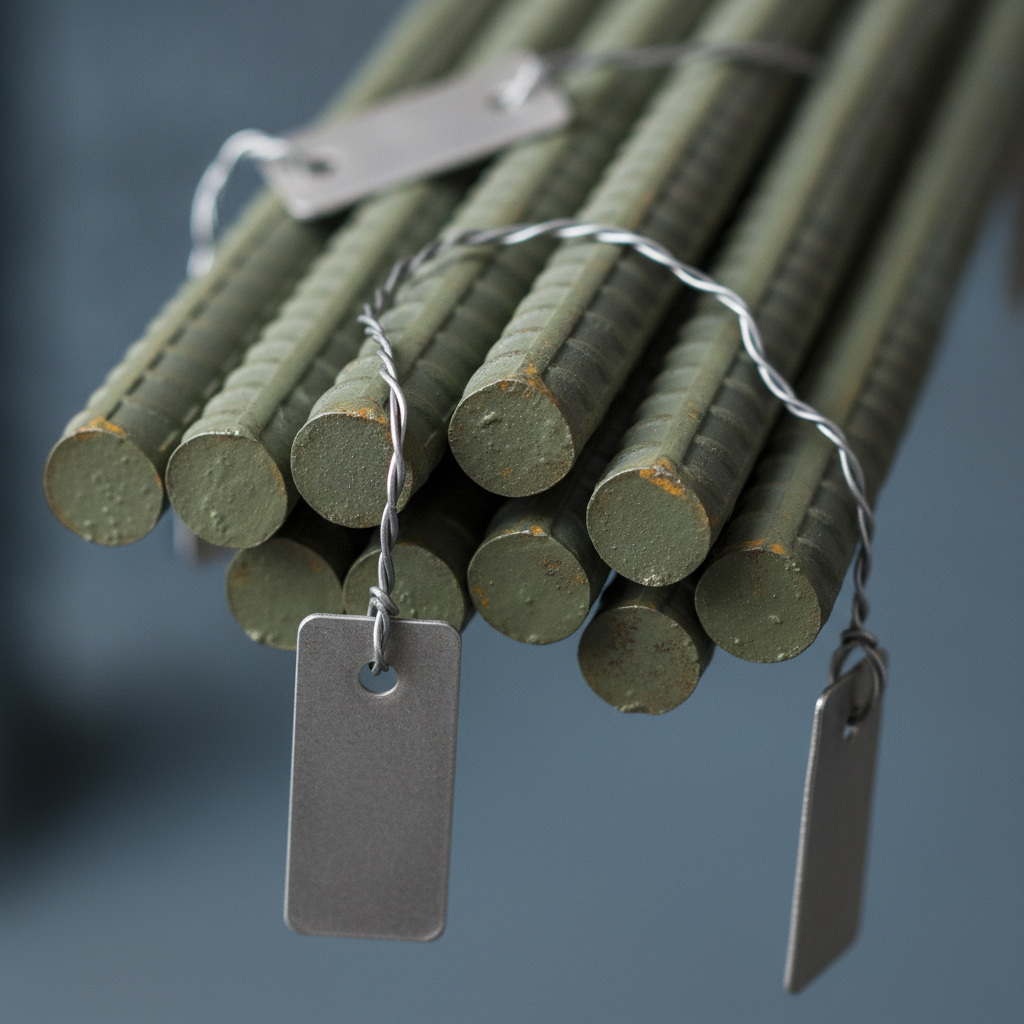
Glass Fibre Reinforcing Bars (GFRP)
Non-corroding reinforcement for select decks, waterfront, and specialty applications. Lightweight handling reduces strain but requires different lap and bend rules. Confirm submittals so field crews protect bars, respect minimum bend radii, and cut with proper tools.
Welded wire mesh (6×6)
Common configurations include 6×6 in 6/6, 9/9, and 10/10 gauges for slab-on-grade work. Plan sheet sizes and cut layouts to minimize laps and speed placement. Stagger mesh laps to avoid bulges that affect finish quality.
For selection help across grades, mesh, and coatings, compare options in our rebar choices guide. If your slab design leans 10M-heavy, our primer on 10M rebar uses explains typical spacing, chairs, and ties seen around the GTA.
How to evaluate rebar suppliers in Woodbridge
Evaluate suppliers on compliance, in-house detailing quality, fabrication accuracy, trucking reliability, and project management. Prioritize MTO-approved materials, labeled bundles, and proven on-time deliveries across GTA sites so your crew never waits for steel.
Good partners act like an extension of your site team. Vet sample shop drawings and bundle tags; ask how they control dispatch windows and lane closures near busy corridors. A supplier who can flex for last-minute pour shifts is worth their weight in uptime.
- Compliance: MTO-approved materials and traceable mill certs for municipal work and infrastructure-grade specs.
- Detailing depth: Clear bar marks, laps, and supports reduce field RFIs and inspection delays.
- Fabrication capacity: Cutting, bending, and special shapes done in-house for schedule control.
- Trucking fleet: Dedicated fleet to hit tight tower-crane windows around Queen St / Highway 50.
- Project management: A single point of contact who keeps estimating, shop, and dispatch aligned.
For a checklist-oriented approach, review our Ontario supplier guide that lays out selection signals, submittal contents, and common pitfalls to avoid during preconstruction.
Best practices for ordering and scheduling
Sequence orders by pour, release drawings early, and request staged bundles with clear IDs. Confirm crane windows, lane closures, and laydown limits so trucks arrive exactly when crews can place steel—cutting re-handles and preventing idle time.
We recommend a simple matrix aligning formwork cycles with bundle IDs, crane picks, and truck times. This prevents the classic slowdown—”the wrong bundle at the top of the crane.” It also reduces damage from unnecessary re-handles and tightens inspection timing.
- Release by pour: Issue drawings in the order you intend to place; avoid releasing everything at once.
- Bundle logic: Group bars for each lift; label with pour name, location, and pick order.
- Site logistics: Map laydown and crane picks; minimize any need to move bundles twice.
- Weather windows: Keep a contingency day during freeze–thaw or heat wave periods.
- Daily comms: Quick dispatcher check-ins the day before and morning of pour.
See fabrication-specific coordination tips in our fabrication guide, built from four decades serving Ontario builders.
Soft CTA: If you’re lining up podium pours in Woodbridge, our integrated team can stage 15M mats, epoxy-coated bars, and mesh by pick order. Explore our step-by-step supply guide to align drawings, bundles, and dispatch.
Tools and resources for smoother rebar work
Use structured bar lists, bending schedules, and digital submittals to speed approvals and field placement. Checklists for crane picks, laydown, and weather windows keep pours on track, while model-assisted detailing improves clash checks in congested zones.
Operational discipline beats last-minute heroics. A crisp package—bar lists, bending schedules, mill certs, and photos—shortens review cycles. On-site, a pre-pour checklist (chairs, ties, caps, cover blocks) cuts stop-and-start issues that frustrate finishing crews.
- Model-assisted detailing to visualize congested zones and lap locations before fabrication.
- Digital submittals bundling bar lists, certs, and placement photos for rapid approval.
- Field checklists covering supports, clearances, and protection for epoxy/GFRP bars.
If you’re planning to recycle offcuts and demo steel, coordinate with local recyclers; reference options like this scrap steel resource when building site waste plans and pickup schedules.
Case studies and on-site examples
Coordinated estimating, detailing, and dispatch shortens placement time and reduces RFIs. On recent Ontario residential and mixed-use projects, staged bundles and timed trucks kept podium pours continuous and minimized crane conflicts.
Dass Rebar’s work across the GTA and Ontario shows a repeating pattern: engage early, label clearly, and land trucks on time. These snapshots are typical of how integration pays off on site.
- The Hawthorne Residences (Toronto): Early takeoff alignment and staged mesh enabled a clean slab-on-grade start with minimal re-handles.
- Hickory Terraces (Waterloo): Clear bundle IDs and marked bars accelerated wall steel placement to stay ahead of form cycles.
- The Grand at Universal City (Pickering): Dedicated trucking held deck pours on schedule despite tight street access.
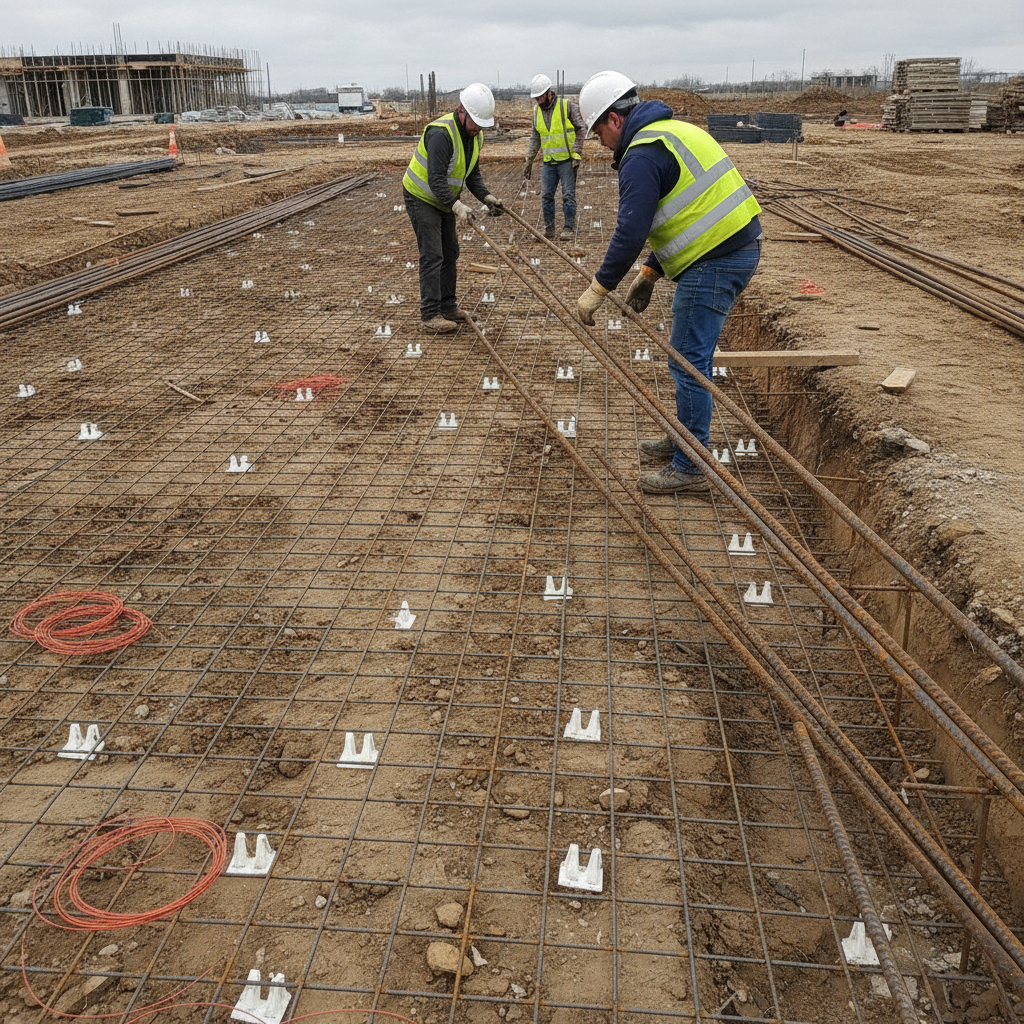
For community updates and industry engagement, see our recent note on building strong foundations in Ontario—a look at partnerships that strengthen local supply chains and site outcomes.
Frequently Asked Questions
Here are direct answers to common questions buyers ask about rebar supply, detailing, and delivery windows. Use these to align your team before you release drawings or lock in pour dates.
What documents should I share to start a rebar quote?
Share the latest structural drawings, notes, RFI history, and intended pour sequence. This lets estimators and detailers confirm laps, splices, and supports, then return accurate quantities, shop drawings, and delivery timing.
When should I request epoxy-coated or GFRP bars?
Use epoxy-coated steel where chloride exposure is expected and GFRP where non-corroding reinforcement is designed. Confirm cover, lap, and handling requirements in submittals so field crews protect coatings and maintain durability targets.
How do I prevent delivery-day delays?
Release drawings by pour, stage bundles with clear IDs, and confirm crane windows and laydown limits the day before trucks roll. A quick dispatcher check-in on pour morning keeps timing aligned with actual site conditions.
Do you handle on-site assembly?
Yes—assembly support can be coordinated so cages, mats, and special shapes arrive ready for efficient placement. Confirm access, pick points, and safety requirements so crews can set steel with minimal re-handles.
What sizes are most common around the GTA?
10M, 15M, and 20M bars appear frequently across slabs, walls, and columns, with welded wire mesh in 6×6 patterns for slabs-on-grade. Grade 400W and 500W are standard, with epoxy-coated and GFRP used where designs target higher durability.
Conclusion and next steps
Reliable rebar supply is about synchronization—accurate drawings, precise fabrication, and trucks that land on time. Align these with your pour plan and you’ll reduce RFIs, keep crews productive, and place better concrete on every cycle.
Key takeaways:
- Engage early and release drawings by pour sequence.
- Label bundles clearly and stage to crane picks to avoid re-handles.
- Protect epoxy/GFRP in laydown and verify submittals before fabrication.
- Lock dispatch windows to actual site constraints and inspections.
Next steps:
- Organize drawings and intended pour calendar.
- Share them for takeoff and detailing alignment.
- Coordinate staging and timed trucks so ironworkers can place continuously.
Working in Woodbridge or the GTA? Our in-house estimating, detailing, fabrication, delivery, and assembly keep your schedule intact. Let’s align your next sequence so the right bundles land when you need them most.