
Rebar wholesalers are bulk suppliers that stock, fabricate, and deliver reinforcing steel and mesh to keep concrete schedules on track. From 370 New Enterprise Way in Woodbridge, Dass Rebar serves Ontario with in-house estimating, detailing, and a dedicated trucking fleet so contractors secure compliant materials fast.
By Navjot Dass · Last updated: 2026-06-01
Overview
This guide explains how rebar wholesalers help contractors move faster: what wholesalers do, how supply and fabrication flow, which reinforcement types to choose, and how to plan takeoffs, deliveries, and site assembly. You’ll get checklists, a comparison table, case examples, and local guidance for Woodbridge and the Regional Municipality of York.
Use this complete guide to align design, procurement, and logistics with the way reinforcing steel actually moves through Ontario jobsites.
- What rebar wholesalers are and how they operate
- Key benefits for schedules, safety, and compliance
- Process: estimating → detailing → fabrication → delivery → assembly
- Types: Grade 400W/500W, epoxy-coated, GFRB, welded wire mesh
- Best practices, tools, and templates for procurement
- Ontario-focused examples and on-site tips
What is a rebar wholesaler?
A rebar wholesaler is a bulk supplier that carries common reinforcing grades and sizes, coordinates detailing and fabrication, and delivers steel and mesh to job-ready sequences. The goal is schedule certainty: accurate takeoffs, compliant materials, and predictable deliveries that match pour dates and site constraints.
In practice, wholesalers bridge design intent and field reality. They translate drawings into bundled, tagged, and sequenced reinforcement that crews can place without delays.
Core functions you should expect
- In-house estimating: Turn IFC drawings into accurate quantity takeoffs and barlists.
- Detailing: Produce shop drawings and bar schedules aligned with codes and project specs.
- Fabrication: Cut, bend, and tag bars (e.g., 10M, 15M, 20M) for fast placement.
- Delivery: Stage and ship by pour sequence using a dedicated trucking fleet.
- On-site assembly: Support cages, mats, and reinforcement assemblies where needed.
At Dass Rebar, those capabilities sit under one roof, backed by 40+ years in Ontario and the JDASS CORP network—useful when timelines compress and designs evolve.
Why working with a wholesaler matters
The right rebar wholesaler reduces rework, cuts lead-time risk, and keeps concrete dates firm. Integrated estimating, detailing, and fabrication minimize errors, while fleet-controlled delivery aligns loads to your pour windows. The result is safer work, fewer change orders, and steadier productivity on site.
Why does this matter? Reinforcing is foundational. Slips in bar placement or sequence push back formwork, pump bookings, and inspections. Getting it right holds the whole schedule together.
- Schedule control: Sequenced loads match the order of pours and levels.
- Compliance: MTO-approved materials and processes help pass inspections on first attempt.
- Fewer site errors: Clean tags and shop drawings reduce confusion at placement.
- Supply assurance: Stock of common sizes (e.g., 10M, 15M) bridges short-notice needs.
Want a deeper dive into coordination? See our rebar detailing guide for how shop drawings de-risk field placement.
How rebar wholesalers work (end-to-end)
Rebar wholesalers move from quantities to placement: takeoff and barlist, shop drawings, fabrication with cut-and-bend, sequenced trucking, and optional on-site assembly. Each step feeds the next, so early clarity on drawings, bar marks, and delivery windows prevents cascading delays later.
Here’s the process we run every day across Ontario—designed to reduce handoffs and compress lead times.
Process steps you can mirror
- In-house estimating: Quantify Grade 400W/500W bars, mesh (6″×6″ 6/6, 9/9, 10/10), and accessories from IFCs.
- Detailing: Convert design intent to shop drawings and bar schedules ready for fabrication.
- Fabrication: Cut and bend to shapes; tag bars by element (slab, wall, footing).
- Logistics: Load by pour; coordinate crane windows and site access limits.
- On-site assembly: Pre-tie cages and mats where it accelerates placement and safety.
For a practical overview of fabrication choices, see our fabrication guide for Ontario.
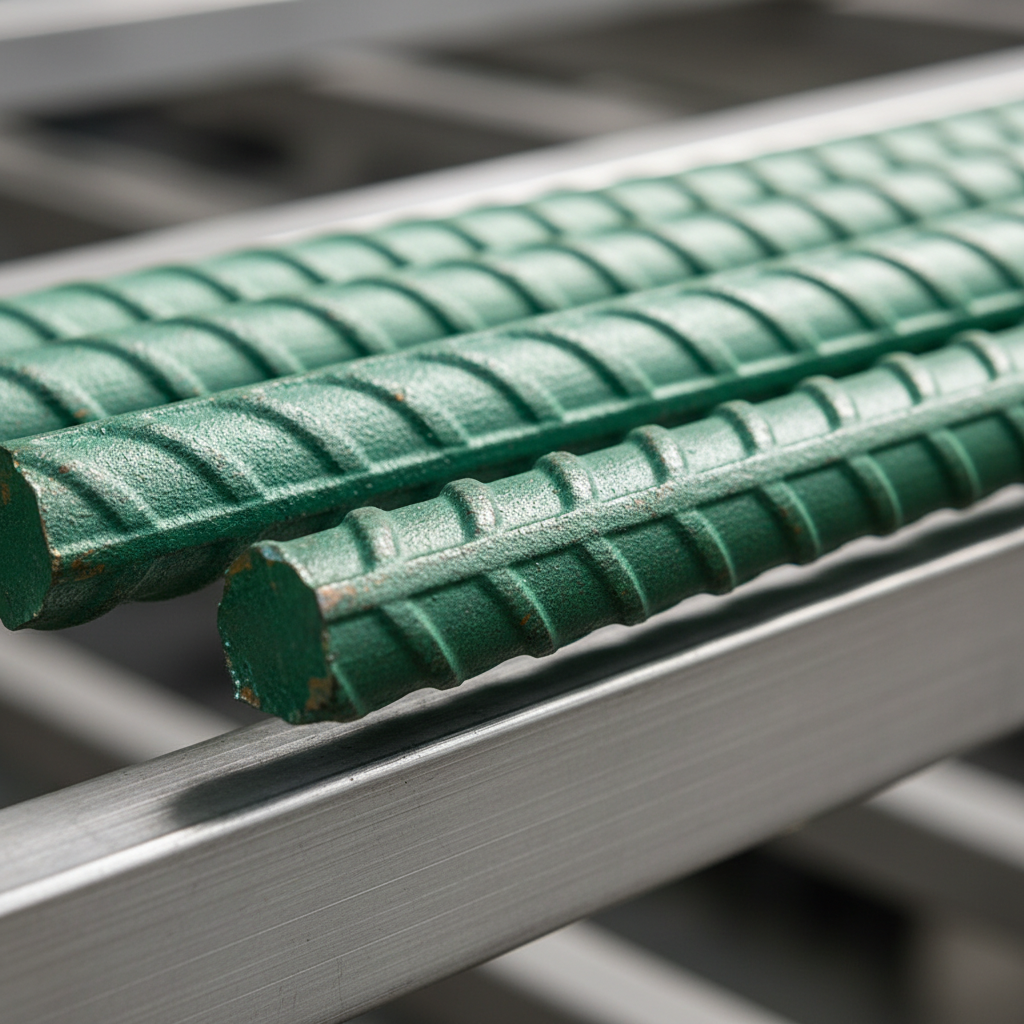
Logistics that keep pours on time
- Staged deliveries: Ship levels or zones separately; avoid site overcrowding.
- Tagging: Clear bar marks (e.g., 10M/15M/20M) reduce misplacement risk.
- Return loops: Plan for dunnage, scraps, and mesh offcuts removal to keep decks clean.
- Dedicated fleet: Control dispatch without relying on third-party windows.
For why delivery timing is mission-critical, review this perspective on timely rebar delivery.
Types of reinforcement you can source
Contractors source Grade 400W and 500W carbon steel bars, epoxy-coated bars for corrosion resistance, Glass Fibre Reinforcing Bars (GFRB), and welded wire mesh in common patterns like 6″×6″ 6/6, 9/9, and 10/10. Stocking 10M, 15M, and request-based 20M bars covers most slab, wall, and footing needs.
Choosing the right material is about environment, loads, and lifecycle. Here’s a fast orientation you can use during design coordination.
Carbon steel rebar (Grade 400W / 500W)
- Where it excels: General slabs, walls, footings; proven performance across Ontario climates.
- Strength classes: 400W and 500W cover most structural demands.
- Sizes: 10M and 15M are staples; 20M available on request for higher demands.
Brush up on fundamentals in our reinforcing steel guide.
Epoxy-coated rebar
- Purpose: Coat provides a barrier against chloride intrusion and corrosion.
- Use cases: Bridge decks, parking structures, and de-icing exposure zones.
- Handling tip: Use padded rigging; avoid coating damage at bends and bar ends.
Glass Fibre Reinforcing Bars (GFRB)
- Benefit: Corrosion-proof and non-conductive; lighter than steel for handling.
- Consider: Different bond and modulus behavior than steel; coordinate with design.
- Applications: Marine, utility, and specialty environments where corrosion risk is high.
Welded wire mesh
- Patterns: 6″×6″ at 6/6, 9/9, and 10/10 are common for slab reinforcement.
- Placement: Pre-fabricated sheets speed production on wide, open decks.
- Sequencing: Order by bay to reduce field cutting and waste.
Working on smaller diameter selections? Our 10M rebar uses guide covers practical examples for residential and light commercial pours.
Best practices for procurement and scheduling
Lock schedules early by aligning drawings, barlists, and deliveries. Use single-provider coordination for takeoff, detailing, fabrication, and trucking. Sequence loads by pour, confirm crane windows, and stage mesh and bars so crews move continuously without double-handling.
In our experience, most delays trace back to unclear drawings or last-minute scope changes. These practices help teams stay ahead of field realities.
Procurement checkpoints
- Issue IFCs once: Avoid drip-fed revisions; maintain one controlled baseline.
- Consolidate services: Estimating, detailing, and fabrication under one roof speeds feedback.
- Confirm grades/sizes: 400W vs 500W; 10M/15M/20M; mesh patterns per slab design.
- Flag corrosion zones: Trigger epoxy-coated or GFRB conversations early.
- Set delivery rhythm: Match trucks to pour cadence (levels, zones, or cores).
Field coordination tips
- Laydown planning: Reserve clean, level space for incoming bundles and mesh.
- Tag clarity: Use large, weather-resistant tags to speed identification.
- Safety flow: Keep rigging, chokers, and padded slings near epoxy-coated stock.
- Inspection timing: Coordinate bar inspection just ahead of pour windows.
For fundamentals on matching product to pour pace, see our rebar supply guide.
Tools, resources, and templates
Use structured checklists and simple trackers to align design, material, and logistics. A one-page submittal log, a barlist review sheet, and a delivery sequence tracker cover 80% of coordination effort for typical slabs, walls, and cores.
Here are lightweight tools we see deliver outsized results on active Ontario jobs.
One-page submittal log
- Purpose: Track shop drawing approvals and revisions by element.
- Columns: Element, revision, date sent/returned, comments, next action.
- Outcome: Clear audit trail prevents mid-pour surprises.
Barlist review sheet
- Checks: Grade confirmation, bar sizes, splice lengths, lap locations, hooks.
- Signoffs: Design, GC/CM, and fabricator acknowledgment.
- Note: Call out epoxy-coated vs. black steel per element.
Delivery sequence tracker
- Structure: Levels/areas down the left; dates and crane windows across the top.
- Inputs: Load IDs, bundle counts, and mesh sheet quantities.
- Visibility: Shared with site superintendents and rigging leads.
For concrete-centric coordination, our concrete rebar guide offers additional placement insights.
Pricing factors and terms (no dollar amounts)
Rebar wholesale quotes reflect grade, diameter, coating, shapes, fabrication complexity, mesh patterns, and delivery sequencing. Quotes also consider lead times and site constraints. Consolidating estimating, detailing, and fabrication with one provider streamlines change impacts without discussing specific prices.
While we never publish pricing, understanding drivers helps you evaluate quotes apples-to-apples.
- Material spec: 400W vs 500W; 10M vs 20M; epoxy-coated vs black; steel vs GFRB.
- Fabrication: Bends, hooks, cages, and pre-tied mats change fabrication time.
- Mesh: 6″×6″ at 6/6, 9/9, or 10/10 impacts weight and handling.
- Delivery: Number of drops, sequencing, and site access windows.
- Schedule: Lead time, revision cycles, and inspection timing.
For broader planning, this perspective on seasonal stocking is a helpful read during spring ramps.
Wholesaler vs. other supply paths
Wholesalers centralize stock, detailing, and fabrication, giving schedule control. Mill-direct locks capacity but needs volume and long lead times. Stocking fabricators are flexible but may outsource logistics. Choose the path that best aligns with project size, revisions, and delivery cadence.
| Path | Strengths | Watch-outs | Best fit |
|---|---|---|---|
| Rebar wholesaler | Stock + in-house estimating/detailing/fabrication; sequenced delivery | Coordinate early to lock drawings and barlists | Multi-phase builds needing predictable drops |
| Mill-direct | Capacity for large tonnage | Longer lead times; limited flexibility on changes | Very large, uniform scopes |
| Stocking fabricator | Responsive on small to mid scopes | May outsource trucks; sequencing varies | Infills, tenant fit-outs, smaller pours |
Case studies and real examples
Ontario projects show how integrated wholesale supply holds schedules: clear shop drawings, pre-tied assemblies, and sequenced drops keep pours moving. With 40+ years in the region and MTO approval, Dass Rebar supports residential, commercial, and infrastructure scopes with predictable logistics.
Below are brief examples reflecting typical challenges and how integrated services resolve them.
High-rise residential decks
- Challenge: Maintaining a steady level-per-week rhythm on slabs.
- Approach: Shop drawings by level, mesh by bay, 10M/15M bundles tagged for each pour.
- Result: Crews place mats continuously; inspections clear without rework.
Parking structure with de-icing exposure
- Challenge: Corrosion risk from chlorides and seasonal salts.
- Approach: Epoxy-coated bar selection, padded rigging, and protected laydown.
- Result: Compliant placement and durable reinforcement strategy.
Municipal infrastructure (MTO standards)
- Challenge: Multi-stakeholder review and strict inspection timing.
- Approach: MTO-approved materials with sequenced delivery and cage pre-ties.
- Result: Predictable inspections and steady progress through milestones.
For general supply timing best practices, review this note on trusted, MTO-approved reinforcing.

Plan your takeoff with Dass Rebar
Need a fast, accurate barlist? Share IFCs and pour dates. Our in-house estimating, detailing, fabrication, and fleet delivery compress handoffs so your schedule holds. We’ll align load IDs and mesh sheets to your sequence and crane windows.
Use our rebar supply guide to prep documents. Then send drawings to kick off a coordinated takeoff and submittal plan.
Serving Woodbridge and the Regional Municipality of York
Based in Woodbridge, Dass Rebar supports the Regional Municipality of York with stocked reinforcement, in-house expertise, and fleet delivery. Proximity to Highway 50 corridors shortens haul time and helps us align deliveries to your pour windows across the GTA and Ontario.
Local knowledge matters—access routes, crane windows, and laydown realities shape what “on time” truly means. Here’s how we align regional logistics with your plan.
- Close-in access: Our location at 370 New Enterprise Way reduces deadhead time to GTA cores.
- Fleet control: Dispatch aligns to inspections and concrete pump bookings.
- Stock on hand: Common 10M and 15M sizes staged for short-notice pours.
Local considerations for Woodbridge
- Schedule deliveries to avoid peak traffic near Queen St / Highway 50; coordinate crane windows accordingly.
- Winter pours demand epoxy-coated handling plans and heated laydown—build this into your December–March sequencing.
- Use clear wayfinding for drivers when staging near Fogal Rd / Highway 50 to keep loads flowing to the right gate.
Frequently Asked Questions
These quick answers cover how to coordinate with a rebar wholesaler, from submittals to delivery sequence. Each response is designed for fast reference during planning or site coordination.
What does a rebar wholesaler handle versus a fabricator?
Wholesalers centralize stock, estimating, detailing, and logistics, then either fabricate in-house or coordinate fabrication tightly. A standalone fabricator focuses on cut-and-bend work. With a wholesaler, deliveries are sequenced by pour so site crews place steel without double-handling.
When should I lock shop drawings with my wholesaler?
As soon as IFC drawings are issued. Early shop drawing approval prevents fabrication holds and delivery slip. Align submittals with inspection dates and pour windows so bundles and mesh arrive in the right sequence for your deck or wall.
Is epoxy-coated rebar always better than black steel?
Not always. Epoxy-coated bars resist corrosion in chloride exposure (de-icing, marine), but black steel is standard for many interior and non-exposure elements. Choose based on environment, design load, and lifecycle needs, then align handling and rigging to protect coatings where used.
Can a wholesaler help with on-site assembly?
Yes. Integrated providers support pre-tied cages, mats, and assemblies when it accelerates placement and improves safety. This is especially useful on repetitive elements or where crane time is tight. Confirm needs during takeoff so assemblies are fabricated and tagged correctly.
Key takeaways
Choose a rebar wholesaler that centralizes estimating, detailing, fabrication, and fleet delivery. Lock drawings early, sequence loads by pour, and match reinforcement type to exposure. Regional proximity in Woodbridge supports on-time drops across the GTA and Ontario.
- Integrated services reduce change friction and field errors.
- Stocked 10M/15M and request-based 20M cover most elements.
- Epoxy-coated and GFRB address chloride and specialty exposures.
- Dedicated fleets keep pour cadence steady and inspections predictable.
Conclusion and next steps
Partnering with a rebar wholesaler aligns design, material, and logistics so your pours stay on schedule. Start with a clean takeoff, finalize shop drawings, and lock delivery sequences. The right provider will turn drawings into job-ready steel that crews can place without rework.
If you’re coordinating Ontario pours, we can help. Review our rebar supply guide, then share IFCs and pour dates to start your takeoff and submittal plan.