
Reo steel is reinforcing steel—rebar and welded wire mesh—specified to strengthen concrete. In Woodbridge, Dass Rebar supplies MTO-approved grades with in-house estimating, detailing, fabrication, delivery, and on-site assembly. That end-to-end workflow shortens schedules, reduces rework risk, and keeps pour windows intact across GTA commercial and infrastructure jobs.
By Navjot Dass • Last updated: 2026-07-08
| In business since | 1986 |
|---|---|
| Supplier status | MTO-approved (infrastructure-compliant) |
| Core services | Estimating, Detailing, Fabrication, Delivery, Assembly |
| Stocked products | 10m, 15m, 20m rebar; Grade 500W/400W; Epoxy-coated; GFRB; 6×6 mesh (6/6, 9/9, 10/10) |
| Service area | Woodbridge, GTA, and Ontario |
| Hours | Mon–Fri, 7:00 a.m.–4:30 p.m. |
| Dedicated fleet | Yes — coordinated trucking for scheduled pours |
Overview
Reo steel refers to reinforcing bars and mesh embedded in concrete to handle tension, control cracking, and improve durability. Dass Rebar aligns material selection with drawings and coordinates estimating, detailing, fabrication, delivery, and assembly—so Woodbridge contractors get compliant materials on time and decks pour as planned.
What actually stalls a pour isn’t theory—it’s the practical stuff: bundles arriving out of sequence, shop drawings lagging behind RFIs, or epoxy calls missed in a chloride zone. Our team owns the entire chain so field crews aren’t waiting on a vendor three steps removed from fabrication.
For primers on reinforcement choices and workflows, see our steel rebar guide and our reinforcement supplies overview.
What Is REO Steel and Why Specification Matters on Commercial Projects
Reo steel is the reinforcing steel system—rebar and welded wire mesh—used to reinforce concrete elements. On commercial work, correct grade, coating, and bar geometry are critical to meet design strength and durability requirements, minimize cracking, and maintain compliance for municipal and infrastructure scopes.
Field reality: a missed lap length on a parkade deck can snowball into congestion and lost crane time. On a Woodbridge podium this spring, an epoxy requirement expanded at a ramp joint; our detailing team flagged the change 48 hours before fabrication, adjusted bar marks, and kept the pour on its original slot.
Practical guidance we share with supers:
- Podium decks, ramps, parkades: Favor Grade 500W where higher strength and reliable weldability benefit congested regions.
- Slab-on-grade and walls: Grade 400W meets many designs; verify splice strategy and cover early.
- Chloride exposure (deicing salts): Use epoxy-coated bars on exposed decks and edges.
For application-by-application tips, our reinforcing steel guide maps typical GTA scenarios.
REO Steel Product Types: Grade 500W, 400W, Epoxy-Coated, GFRB, and Welded Wire Mesh
Dass Rebar stocks Ontario-standard reinforcement: Grade 500W and 400W rebar, epoxy-coated options for deicing salt exposure, GFRB for non-corrosive applications, and welded wire mesh (6×6 in 6/6, 9/9, 10/10). Matching the product to exposure and design criteria lowers lifecycle risk.
Here’s how these products typically play out on local jobs:
- Grade 500W (weldable): Go-to for transfer beams and congested podium zones. Tighter bends and fewer bars compared to lower grades can ease placement.
- Grade 400W: Common in slabs, footings, and many walls. Coordinate lap zones to avoid bunching at column lines.
- Epoxy-coated rebar: Recommended on open-air parking areas, exposed podiums, and edges subject to salt spray. Tagging and handling protocols matter to protect the coating.
- GFRB: Best where corrosion neutrality, non-magnetic behavior, or non-conductivity are required (certain utilities or specialty architectural elements). We don’t suggest it for typical podium beams.
- Welded wire mesh: In the GTA, 6×6 9/9 shows up most for slab-on-grade; 6/6 appears in toppings where tighter crack control is specified; 10/10 supports lighter duty. Confirm sheets vs. rolls based on staging space.
For broader material context in framing systems, see this steel framing overview from an affiliated brand.
Standard Bar Sizes and When to Request Custom Lengths
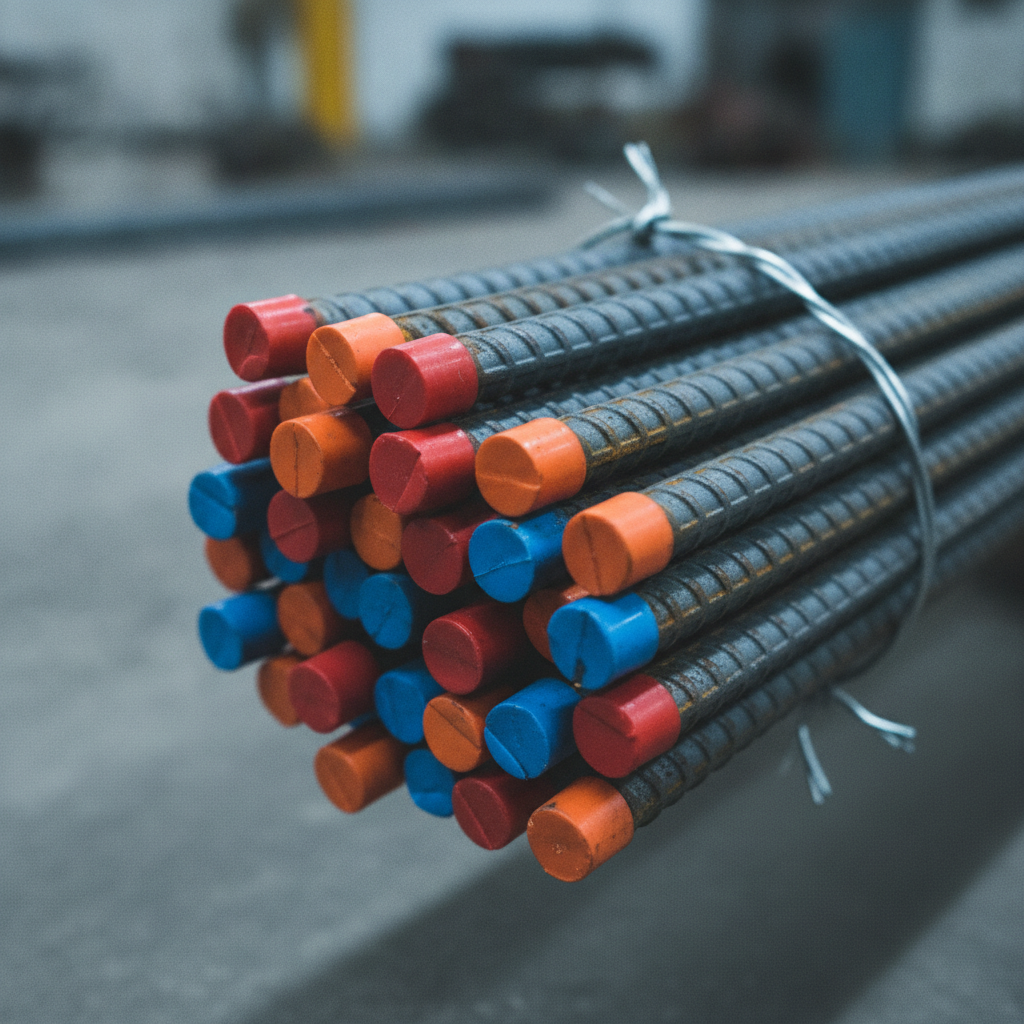
Common metric sizes—10m, 15m, 20m—cover many Ontario details. Ask for custom lengths or bends when splices congest, crane picks are tight, or waste is rising. Our in-house fabrication cuts, bends, tags, and bundles to your latest shop drawings and pour sequence.
We keep 10m and 15m in steady rotation for slabs, walls, and beams, with 20m available on request. If you’re weighing 10m usage, start with our 10m rebar guide. We also plan offcut handling and recycling; for background on scrap best practices, see this steel recycling guide.
From Estimating to Assembly: How a Full-Service REO Supplier Reduces Project Risk
A single provider owning estimating, detailing, fabrication, delivery, and assembly removes handoff gaps. Dass Rebar’s coordinated workflow ties takeoffs to shop drawings, then to tagged bundles and scheduled trucks—reducing field errors and keeping pour sequences intact.
What the sequence looks like for Woodbridge contractors:
| Phase | What we do | Why it matters |
|---|---|---|
| Estimating | Fast, accurate takeoffs against current drawings | Prevents scope gaps and ordering mistakes |
| Detailing | Constructible shop drawings and bar lists | Eliminates clashes with embeds and MEP |
| Fabrication | Cut, bend, tag, and bundle in sequence | Speeds on-deck placement and QA |
| Delivery | Dedicated fleet aligned to pour schedule | Protects crane time and lane closures |
| Assembly | On-site support and sequencing | Keeps reinforcement ahead of the pump |
Need a coordinated plan for your next deck? Our team maps batches to your pour calendar and traffic plan. Start with our supplier comparison guide and book a quick coordination call.
Shop Drawings and Detailing — The Step Most Contractors Underestimate
Quality shop drawings turn design intent into constructible bar schedules. By coordinating laps, cover, splices, and embeds up front, detailing prevents field rework and delays—and ensures fabrication matches the latest IFC set.
We track revisions tightly. If a column line shift extends lap zones, our detailers update piece marks and notify the PM before steel hits the shearline. That saves re-bending and protects the pour date. For trade-off insights, see our rebar suppliers guide.
Delivery and On-Site Assembly: Why a Dedicated Trucking Fleet Changes the Schedule
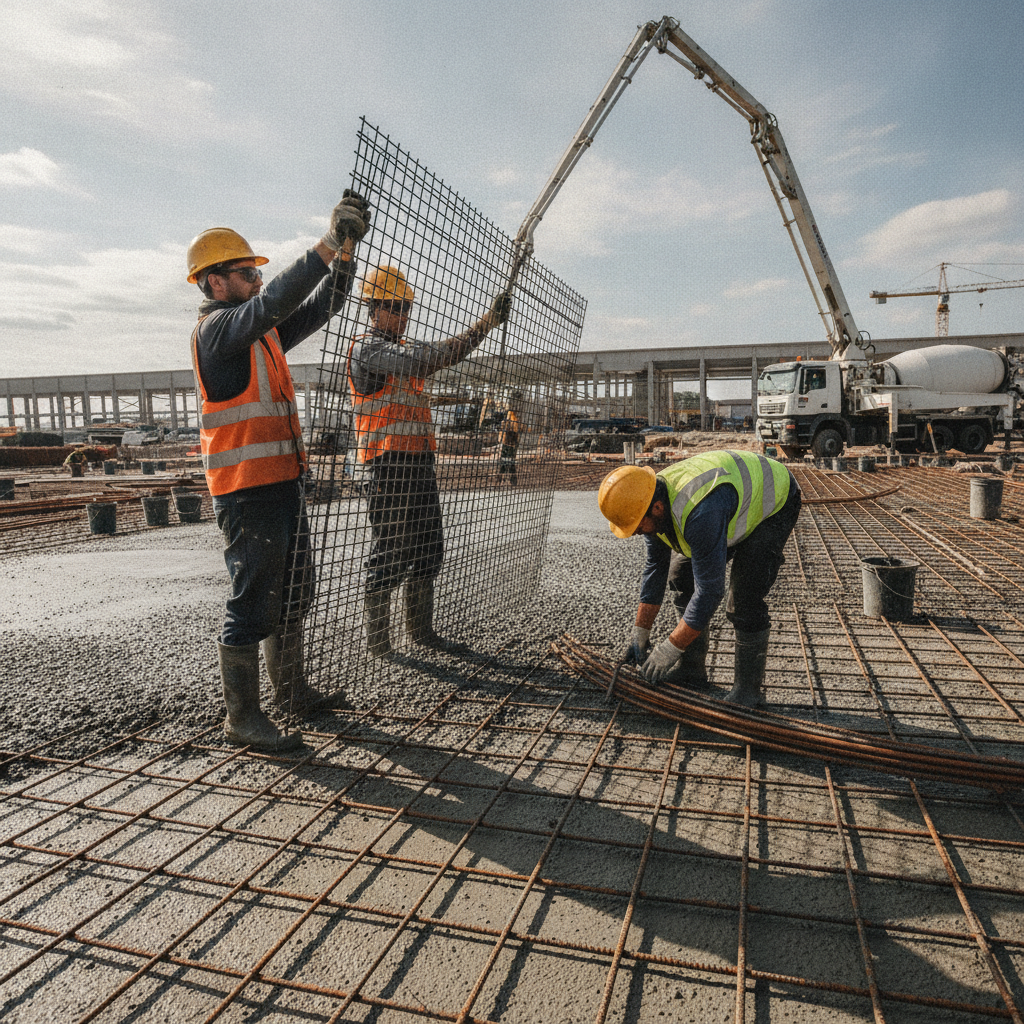
A dedicated trucking fleet holds precise delivery windows and sequences bundles to your deck plan. Drivers familiar with local logistics shorten offload times, and on-site assembly support keeps reinforcement running ahead of the pump.
We plan routes and arrivals around Woodbridge traffic patterns and your crane slots. Bundle order mirrors deck sequence so crews aren’t shuffling steel at 6 a.m. For a field-oriented view on staging mindset, this jobsite-focused guide captures layout thinking that applies to reinforcement too.
Local considerations for Woodbridge
- Schedule deliveries to avoid peak congestion near Queen St / Highway 50 so crane time stays productive.
- Winter pours: plan for deicing salt exposure on exposed decks and specify epoxy-coated bars early.
- Staging near Highway 50 – Zum Queen Station Stop WB can streamline crew access (subject to site approvals).
How to Choose a REO Steel Supplier for Your Next Project
Choose a reo steel partner with MTO approval, verifiable Ontario projects, and in-house estimating, detailing, fabrication, delivery, and assembly. Ask about mesh and bar stock on hand, fleet capacity, digital submittals, and reliable RFI turnaround.
Across Ontario, contractors often compare national fabricators (Harris Rebar, AGF Group, Salit Steel) and regional specialists (Independent Reinforcing). Dass Rebar’s edge is owning the full workflow under one roof, backed by JDASS CORP’s network. For more selection tips, review our steel rebar guide and reinforcing steel overview.
Frequently Asked Questions
These short answers address the most common reo steel questions we hear from Woodbridge general contractors and concrete crews—from material definitions to epoxy use and 15m availability.
Is reo steel the same as rebar?
Yes. Reo steel is common shorthand for reinforcing steel used with concrete. It includes individual rebar and welded wire mesh specified to control cracking, carry tension, and improve durability in slabs, beams, walls, and foundations.
When should I specify epoxy-coated bar?
Use epoxy-coated reinforcement in chloride-rich or deicing salt environments—such as parking structures, exposed podiums, and bridge decks. Coordinate lap lengths, cover, and handling protocols before fabrication so the coating requirement is captured in the bar list and tags.
Do you stock 15m rebar in Woodbridge?
Yes. Dass Rebar maintains core Ontario sizes, including 10m and 15m in regular rotation, with 20m available on request. Our shop cuts and bends to your latest shop drawings and tags bundles to match deck sequence.
What makes a full-service reo steel partner valuable?
Unified estimating, detailing, fabrication, delivery, and on-site assembly removes handoff gaps. You get consistent drawings, accurate bar lists, tagged bundles, scheduled trucks, and support on deck—reducing rework and protecting pour dates.
Key Takeaways
Align your reo steel spec with exposure and constructability, then tie materials to a coordinated workflow. With MTO-approved supply, stocked sizes, and a dedicated fleet, Dass Rebar helps Woodbridge contractors protect pour sequences and reduce rework risk.
- Reo steel = rebar + welded mesh; specs drive grade, coating, and mesh gauge.
- Stocked options: 10m, 15m, 20m; 500W/400W; epoxy; GFRB; 6×6 mesh.
- Full-service flow reduces handoff risk from takeoff to assembly.
- Dedicated trucking supports precise, on-time deliveries.
- Local planning around Highway 50 keeps crane time productive.