
Epoxy coated bars are carbon-steel reinforcing bars factory-coated with a protective epoxy layer to resist corrosion in chlorides and deicing salts. The coating isolates steel from moisture and ions that trigger rust, extending concrete service life in bridges, parking decks, and marine work. For Woodbridge contractors, epoxy-coated rebar improves durability without switching to exotic alloys.
By Navjot Dass • Last updated: June 23, 2026
Overview and Table of Contents
This complete guide explains what epoxy coated bars are, where they outperform black bar, how the coating works, and how to specify, detail, fabricate, deliver, and install them correctly. Use it to reduce corrosion risk, streamline submittals, and align with Dass Rebar’s MTO-approved workflows across Ontario.
Use this section to jump to what you need now.
- What are epoxy coated bars?
- Why epoxy coated bars matter
- How the coating prevents corrosion
- Types, alternatives, and approaches
- Best practices from detailing to install
- Tools and resources
- Case studies and examples
- Frequently Asked Questions
- Key takeaways
What Are Epoxy Coated Bars?
Epoxy coated bars are deformed steel reinforcing bars coated with a thin, factory-applied epoxy barrier. The coating isolates steel from moisture and chlorides, reducing corrosion initiation in concrete. They’re a proven option for bridges, decks, and slabs exposed to road salts, splash, or freeze-thaw cycles across Ontario.
At Dass Rebar, epoxy-coated rebar is part of our in-stock portfolio alongside Grade 500W and 400W steel, GFRB, and welded wire mesh. We support engineers and contractors end-to-end: in-house estimating and detailing, fabrication, delivery with our trucking fleet, and on-site assembly when required.
- Material base: Carbon-steel bar (e.g., Grade 500W, Grade 400W) with standard deformations.
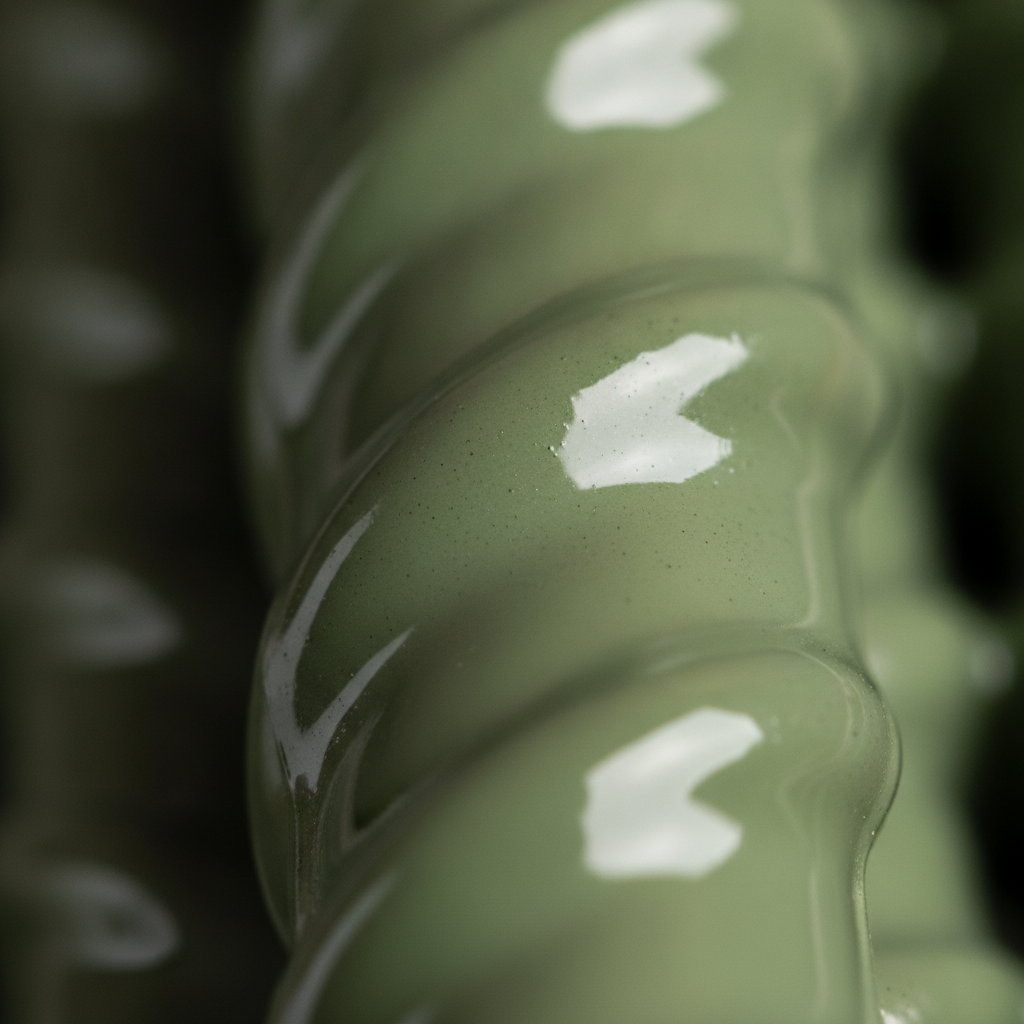
- Coating: Fusion-bonded epoxy applied at the plant under controlled preparation, temperature, and cure.
- Purpose: Reduce chloride-induced corrosion in reinforced concrete elements.
- Typical applications: Bridge decks, parking structures, podium slabs, marine piers, and exposure-prone footings.
- Ontario alignment: MTO-driven durability demands on road and municipal infrastructure.
Many Woodbridge projects see winter deicing salts and repeated freeze-thaw, which drive chloride ingress. That’s the precise environment where epoxy coated bars deliver durable reinforcement without changing rebar size, spacing, or placement strategy.
Why Epoxy Coated Bars Matter
Epoxy coated bars matter because chloride-driven corrosion is the leading durability threat to reinforced concrete in cold-climate road networks. By isolating steel from salts and moisture, epoxy delays rust and spalling—helping owners achieve longer service life with conventional detailing and construction practices.
Here’s the thing: corrosion doesn’t just stain concrete; it expands, cracks cover, and accelerates deterioration. In our experience supporting GTA contractors, extending the initiation period of corrosion is often the single biggest driver of lifecycle performance.
- Durability multiplier: The coating delays corrosion initiation, protecting cover concrete and rebar.
- Familiar workflows: Designers can keep conventional steel design methods and spacings.
- Service life goals: Epoxy-coated rebar helps meet municipal and infrastructure durability targets.
- Availability: Dass Rebar stocks epoxy options in common sizes for quick turns across Ontario.
- Project continuity: Our dedicated trucking fleet supports tight pour schedules.
For practical context, 15M bars (nominal 16 mm diameter) are frequently used in decks and slabs in the GTA; pairing 15M with epoxy coating is a common way to add corrosion protection without redesigning anchorages or lap lengths.
How Epoxy Coated Bars Work
Epoxy coated bars work by adding a thin, bonded polymer barrier over deformed steel. The barrier interrupts the electrochemical pathway needed for corrosion, limiting chloride and moisture contact with steel. When handled and patched correctly, the coating significantly slows rust formation in salt-exposed concrete.
From a materials perspective, corrosion requires an electrolyte (moisture), oxygen, and ions such as chlorides. The fusion-bonded epoxy creates a continuous film that reduces permeability and electrical continuity between pore water and the steel surface.
- Surface prep: Bars are cleaned and roughened before coating for adhesion.
- Coating application: Epoxy powder is applied electrostatically to heated bars, then cured.
- Film continuity: Holidays (pinholes) are minimized under factory QA.
- Field patching: Cut ends and minor abrasions are sealed with compatible epoxy patching materials.
- Bond to concrete: Deformations and proper cover maintain bond; normal development lengths are used per design.
We regularly coordinate with detailing teams to ensure bar marks, bends, and hooks account for coating allowances and patching steps. When shop drawings are clear, crews avoid last-minute field grinding that can compromise the barrier.
Types, Alternatives, and Approaches
Contractors typically compare epoxy-coated rebar to black bar, galvanized, stainless, and GFRP. Epoxy offers strong value in chloride exposure with familiar installation. Stainless provides premium corrosion resistance, GFRP removes steel corrosion entirely, and black bar suits low-exposure interiors.
Each alternative fits a specific performance envelope. Choosing well means weighing corrosion risk, constructability, inspection expectations, and material availability. As a one-stop reinforcing partner, we help teams align specs with schedule, shop drawings, and logistics.
Common reinforcement options
- Epoxy-coated steel: Carbon-steel with fusion-bonded epoxy barrier; widely used for road salts.
- Black (uncoated) steel: Standard rebar for interiors or low-chloride exposure.
- Galvanized steel: Zinc metallizing resists corrosion; consider tie compatibility and cut treatment.
- Stainless steel: Excellent corrosion resistance; often used in splash zones or critical details.
- GFRP (Glass Fibre Reinforcing Bars): Non-corroding composite; high tensile strength, different stiffness and anchorage behavior.
For a deeper steel overview, see our reinforcing steel guide and our rebar basics overview that compare specs and field behaviors across materials.
At-a-glance comparison
| Reinforcement | Corrosion Resistance | Bond/Constructability | Typical Uses |
|---|---|---|---|
| Epoxy-coated steel | High vs black in chloride exposure | Familiar steel practices; patching needed | Bridge decks, parking slabs, podiums |
| Black steel | Baseline | Standard | Interior slabs, low-exposure elements |
| Galvanized steel | High; sacrificial zinc layer | Standard with zinc-safe ties | Marine splash, retaining walls |
| Stainless steel | Very high | Standard steel handling | Critical details, aggressive exposures |
| GFRB (GFRP) | Non-corroding | Different stiffness; special anchors | Water treatment, decks with high salts |
If you’re weighing galvanized shapes for adjacent light-gauge framing interfaces, an external primer on steel studs from Dass Metal’s guide offers helpful context on zinc coatings and field handling.
Best Practices: Specifying, Detailing, Fabrication, Delivery, Install
Successful epoxy-coated rebar projects follow a clear chain: specify exposure and cover, detail bends and laps with patching notes, fabricate with coating protection, deliver with separators, and install using epoxy-compatible ties and chairs. Small handling steps protect the coating—and your structure’s service life.
Our in-house estimating, detailing, and project management teams coordinate these steps so crews can place steel without second-guessing patch kits or chair materials. Below is a concise checklist to reduce rework on site.
Specification and submittals
- Define exposure categories: Identify chloride sources (deicing, marine, splash).
- Call out coating type: Fusion-bonded epoxy to recognized standards.
- Include patching notes: Specify approved repair materials for cuts/abrasions.
- Accessories: Require epoxy-coated or plastic-coated ties and non-metallic chairs where needed.
- Submittals: Mill certs, coating QA, and patching instructions in one package.
Detailing and shop drawings
- Bends and hooks: Confirm radii and bar bend allowances with coating intact.
- Laps and development: Follow engineer’s specified development lengths; note cover.
- Splices and embeds: Coordinate with GFRB or stainless transitions if mixed systems.
- Coating preservation: Add “no grinding” notes; designate patch locations for cut ends.
- Logistics markup: Bundle and sequence by pour break and elevation.
Fabrication and quality control
- Cut and bend first, coat as specified: Or protect pre-coated bars with padded tooling.
- Inspect film: Check for holidays; tag bars requiring patch.
- Labeling: Maintain heat numbers and bar marks through coating.
- Touch-up: Use approved epoxy repair kits; allow cure before bundling.
- Documentation: Photo logs of coated bundles help submittals and inspections.
Delivery and staging
- Bundle separators: Use dunnage and spacers to avoid chafing in transit.
- Dedicated fleet: Dass Rebar’s trucking team sequences drops by pour window.
- Site storage: Keep bundles off the ground; cover against UV and debris.
- Staging maps: Align laydown with crane reach to minimize rehandling.
Installation
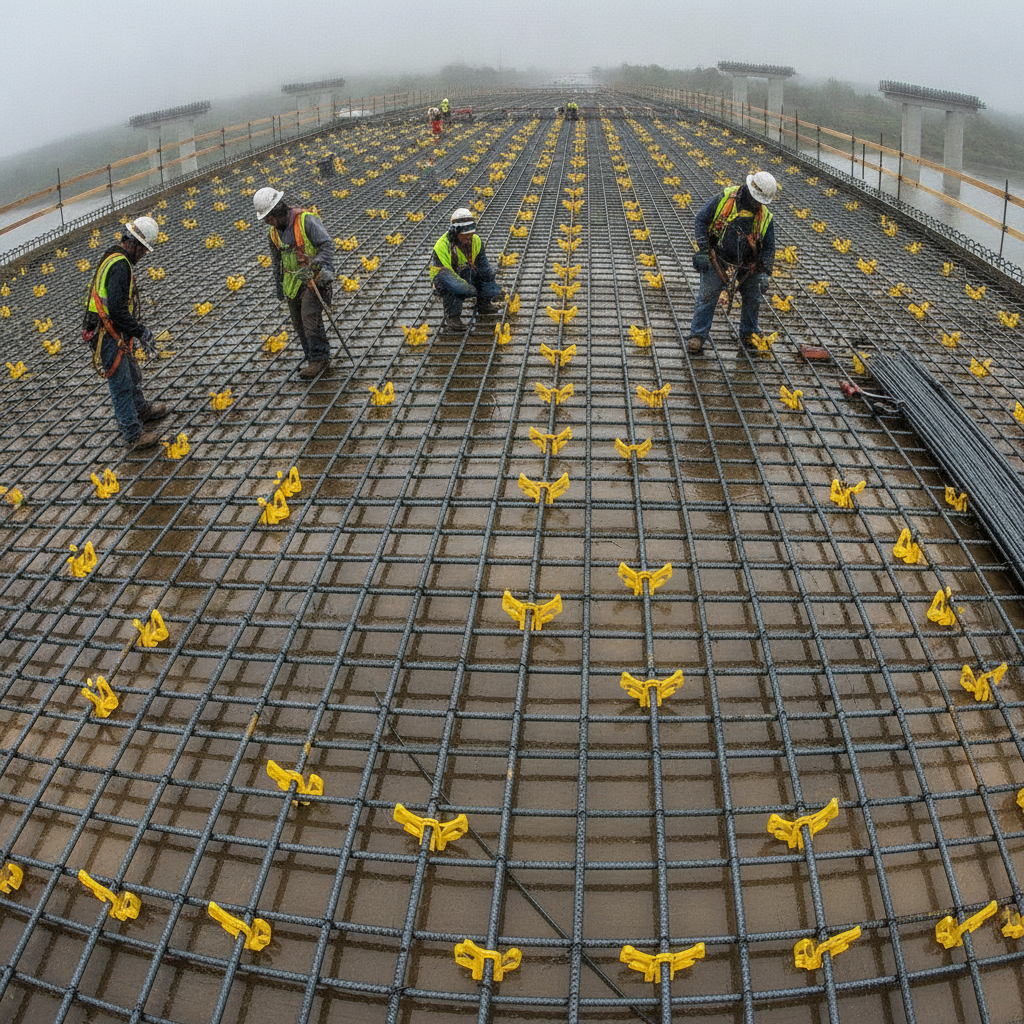
- Chairs and ties: Use non-reactive chairs and epoxy-coated or plastic ties.
- Patch as you go: Seal cut ends and abrasions before concrete placement.
- Keep coverage: Verify bar supports hold design cover under foot traffic.
- Inspection: Walk-down checklists for visible steel and patch completeness.
Handling checklist (process table)
| Step | What to check | Why it matters |
|---|---|---|
| Receiving | Coating intact on bundle exteriors | Transit rubs are addressed early with patching |
| Staging | Off-ground with spacers; covered | Prevents moisture, grit, and UV degradation |
| Placement | Use non-reactive chairs and coated ties | Maintains cover and avoids galvanic issues |
| Final check | Patch all cuts/abrasions; confirm lap zones | Restores barrier and preserves bond paths |
Local considerations for Woodbridge
- Plan deliveries near Queen St / Highway 50 during non-peak windows to keep pour sequences on time with our trucking fleet.
- Winter pours need extra vigilance: deicing salts and slush push chloride exposure higher on podium slabs and parkades.
- For bridge rehab near the Highway 50 – Zum Queen Stop EB, stage epoxy repair kits at each deck bay to patch ties and cut ends as crews move.
For fabrication insights tailored to Ontario workflows, see our fabrication guide and our Ontario rebar guide covering shop, yard, and staging coordination.
Need an epoxy plan for your deck or podium?
Our in-house estimating and detailing teams coordinate exposure classes, shop drawings, and delivery windows so your crew can place steel without delays. Start with our epoxy rebar overview or speak with project coordination when you request a takeoff.
Tools and Resources
Use clear specs, compatible accessories, and jobsite checklists. Pair epoxy-coated bars with coated ties, non-metallic chairs, and approved patch kits. Require mill and coating certs in submittals. Map deliveries by pour sequence. These basics eliminate common field delays.
We organize resources to match your project phase. That way, submittals, fabrication, and shipping are aligned before the first bundle arrives.
Specification aids
- Exposure notes with cover, bar sizes, and lap requirements.
- Approved accessories list: ties, chairs, spacers, and patch materials.
- Submittal template: mill certs, coating QA, repair procedures.
Field kits
- Epoxy repair kit for cuts/abrasions with brushes and cure timers.
- Non-metallic chairs and epoxy/plastic-coated ties to avoid galvanic couples.
- Layout drawings laminated for crew reference at each bay.
Training and context
- Brief toolbox talk on handling coated bars (no dragging, avoid sharp corners).
- Quick reference cards for lap locations, cover, and patch steps.
- Background on zinc vs epoxy performance from a zinc-coating primer to explain sacrificial layers and handling differences.
Scrap handling still matters. Offcut steel should be segregated and recycled; for general recycling context, see a basic market overview like this steel scrap guide when planning site bins and pickups.
Case Studies and Examples
Epoxy-coated rebar helps Ontario projects exposed to salts meet service-life targets without exotic alloys. The key is sequencing: shop drawings that call out patching, delivery mapped to pours, and field kits staged by bay. The examples below mirror how we support real GTA schedules.
Woodbridge podium slab (scenario)
- Context: Mixed-use podium with frequent winter salting at entries.
- Approach: 15M epoxy-coated top mat at drive aisles; black bar at interior bays.
- Coordination: Sequenced deliveries by elevation; epoxy patch kits at each opening.
- Outcome: Crews maintained cover under traffic; patching verified before each pour.
GTA bridge deck rehabilitation (scenario)
- Context: Deck overlay with chloride ingress and delamination.
- Approach: Epoxy-coated replacement steel in the top mat, stainless dowels at joints.
- Coordination: Night drops synchronized with lane closures; non-metallic chairs.
- Outcome: Reduced rework; inspection sign-offs tied to patch logs.
Parking structure expansion (scenario)
- Context: New levels added to an active parkade with deicing exposure.
- Approach: Epoxy-coated bars on ramp approaches and perimeter bays; GFRB at parapets.
- Coordination: Bundles tagged per ramp bay; patching assigned to a dedicated installer during tie-in.
- Outcome: Consistent cover and a clean inspection record.
For broader context on material selection, our steel bar selection guide and 10M rebar uses article show how bar sizes and protective systems fit together across structural elements.
Frequently Asked Questions
These concise answers address the field questions we hear most about epoxy coated bars—covering bond, cutting and patching, accessories, and when to choose alternatives. Each response is practical for pre-pour walk-throughs and toolbox talks.
Do epoxy coated bars change development length or lap requirements?
For typical Ontario designs, development and lap lengths follow the engineer’s specification for the base steel grade. The thin epoxy coating preserves bar deformations, so bond behavior remains consistent when cover, spacing, and consolidation are correct.
How should we cut and patch epoxy-coated rebar on site?
Cut bars using methods that avoid overheating or tearing the coating near the cut. Clean the area and apply the approved epoxy repair compound to the cut end and any abrasions. Allow proper cure before placement or concrete pour per the patch kit directions.
What accessories are compatible with epoxy-coated rebar?
Use epoxy-coated or plastic-coated tie wire and non-metallic chairs or spacers. These prevent coating damage and avoid galvanic couples. Confirm accessory approvals in submittals and stage extras near each deck bay to avoid substitutions during a pour.
When is GFRB a better choice than epoxy-coated steel?
Choose GFRB when you need completely non-corroding reinforcement, such as highly aggressive chloride zones or areas where corrosion monitoring is difficult. Keep in mind the different stiffness and anchorage behavior; designs and field handling need to reflect those differences.
Key Takeaways
Epoxy coated bars are a practical, proven way to boost durability in chloride exposure without changing core steel design. Protect the coating from shop to pour, use compatible accessories, and document patching. With Dass Rebar’s integrated services, these steps become routine—and reliable.
- Epoxy coating delays chloride-driven corrosion and preserves cover concrete.
- Spec, detail, fabricate, deliver, and install with coating protection in mind.
- Use compatible ties and chairs; patch cuts and abrasions before pours.
- Sequence deliveries to match pour breaks and crew flow.
- Lean on in-house estimating and detailing to eliminate field guesswork.
Conclusion
For Woodbridge and Ontario builders, epoxy coated bars provide durable reinforcement for decks, podiums, and bridges exposed to salts. When you pair sound specs with disciplined handling and Dass Rebar’s coordinated logistics, you get predictable placement, clean inspections, and a structure built to last.
Ready to plan an epoxy scope for your next deck or approach slab? Explore our fabrication practices and rebar fundamentals, then loop in our project management team to stage deliveries around your pour calendar in Woodbridge.
Final CTA: Book a discovery session in Woodbridge—our team will align exposure classes, detailing notes, and delivery windows so your crew can place epoxy-coated steel without delays.
For cross-discipline context on epoxy systems in construction, a general industry overview like this epoxy flooring piece can help teams understand coating behavior and preparation (materials differ, but surface principles rhyme).